

























































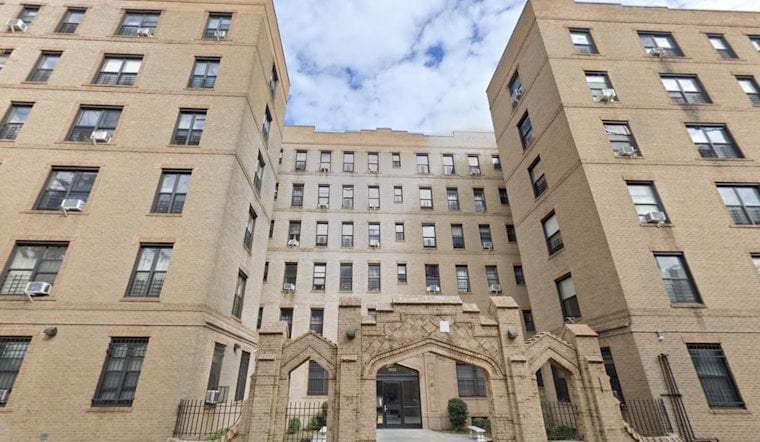
Disabled tenants in a Brownsville apartment building say life at 1933 Union Street has turned into a daily obstacle course, and not the fun kind. After months of broken elevators and a building-wide gas outage, residents have headed to court, arguing that basic tasks like getting to school, work or even a doctor’s appointment have become risky or flat-out impossible. Their new lawsuits target the building’s owner and management company and ask judges to order real fixes and meaningful relief, according to court filings.
As reported by amNewYork, tenants filed complaints in U.S. District Court in Brooklyn and in Brooklyn Housing Court, naming landlord Claudette Henry and Shinda Management as defendants. The filings, which list Legal Aid attorney Maddie Reichman as counsel, describe elevators that are frequently out of service for weeks at a time and a wheelchair lift that has been broken for more than a year. The suits also identify a minor plaintiff, M.V.D., who uses a wheelchair, and other residents who say they missed school or medical and other appointments because they simply could not get out of the building.
Public property records and landlord-tracking databases list 1933 Union Street to Claudette Henry and show that Shinda Management oversees the prewar property, which contains roughly 40 apartments. Records compiled on platforms such as Who Owns What line up with the management names cited in the court papers. Tenants and housing advocates say calls and messages about elevator problems, the wheelchair lift and other repairs have gone largely unanswered or addressed too slowly.
"You become a prisoner of your own apartment," longtime resident Charlene McDuffy said in an interview, describing how unreliable elevators combined with months without cooking gas have reshaped daily life. McDuffy, who has lived in the building for 35 years, told reporters the gas outage, which tenants say has stretched for roughly eight months, has forced her to lean on takeout and buy portable cooking appliances. According to amNewYork, tenants also report recurring water leaks, cockroach infestations and burst pipes that they say make it even harder for older and disabled residents to move around safely and maintain basic hygiene.
Legal Claims And Precedent
The lawsuits lean on disability and housing protections, asking judges to ensure that residents can safely leave their apartments and access essential services while any repairs are underway. In past New York cases, federal courts have required landlords to provide reasonable accommodations or temporary alternatives when broken elevators would otherwise trap disabled tenants inside their homes, including decisions summarized in court records for Collado v. 946 Bushwick Avenue. Federal guidance on reasonable accommodations under the Fair Housing Act, outlined by HUD, also lays out when landlords must modify rules or practices in light of a tenant’s disability.
Tenants' Accounts
Court papers and residents’ statements spell out the impact in detail: a 21-year-old CUNY student who uses a wheelchair, a child plaintiff who missed school because the superintendent was not available to carry a 150-pound wheelchair, and other tenants who say repeated outages have cost them time, money and mobility. They argue that the building’s everyday problems, from broken elevators to pests and leaks, stack on top of each other and turn ordinary routines into hazards for older and disabled residents.
What’s Next
The federal and housing-court cases will now move through early stages, which may include requests for emergency relief that could require the owner to provide temporary housing, fix the elevators on a specific timeline or arrange other accommodations for tenants with disabilities. Attempts to reach the landlord and Shinda Management for comment were not successful, according to the filings and tenant accounts, and advocates say they are watching to see whether city housing agencies step in to push for repairs.
The new lawsuits join other tenant actions and city enforcement efforts that have focused public attention on chronic maintenance problems and accessibility gaps in New York City’s rental stock. Court dockets will decide whether the Brownsville tenants get swift fixes or face a drawn-out legal battle over repairs, accommodations and potential damages.





