

























































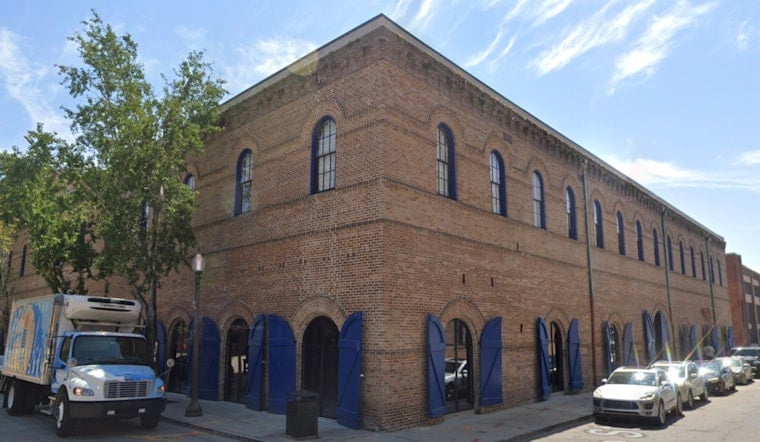
Common House New Orleans is changing hands and will reopen under a new name: 420 Julia. According to the companies involved, existing memberships and bookings will roll straight into the relaunched club, with current agreements honored as-is. The operator shift will put Louisville-based Schulte Hospitality Group in a leading role at the property.
Axios reports that the club will relaunch as 420 Julia on Wednesday and will be fully rebranded by Oct. 1. A joint statement from Schulte Hospitality Group, Common House and Nashville-based developer AJ Capital Partners reiterates that current Common House memberships will transition to 420 Julia and that all existing agreements will be honored.
Building and brand history
AJ Capital Partners redeveloped the historic warehouse at 420 Julia Street, the former home of the Louisiana Children's Museum, and opened Memoir and Common House there in 2024. AJ Capital Partners's project pages describe Common House as a mixed-use social club with a rooftop pool, restaurant, co-working space, fitness center and event rooms.
Schulte steps in, Richmond precedent
Schulte Hospitality Group, which lists corporate offices in Louisville, Kentucky, operates a broad portfolio of hotels and hospitality brands. Schulte Hospitality Group is named in the parties' statement, and the move mirrors a similar management reshuffle at the Richmond Common House earlier this year, when building owners took back operations and tapped Schulte to run the reopened club, as reported by Axios Richmond.
What members will see
Owners say 420 Julia will keep its partnership with Memoir for the pool, rooftop bar and other shared amenities, and that memberships will transition without interruption. The Memoir website confirms that residents receive complimentary access to Common House amenities and lists the same rooftop and pool features as building benefits. Owners also say that booked events and existing contracts will be honored.
Why it matters
The rebrand highlights a wider trend of owners consolidating hospitality operations and retooling urban-club concepts to fit landlord-driven, mixed-use developments. Architects on the project have emphasized that the 1840s building's restoration preserved key historic elements while making room for new hospitality programming, a point reflected in the project's architecture coverage.





