

























































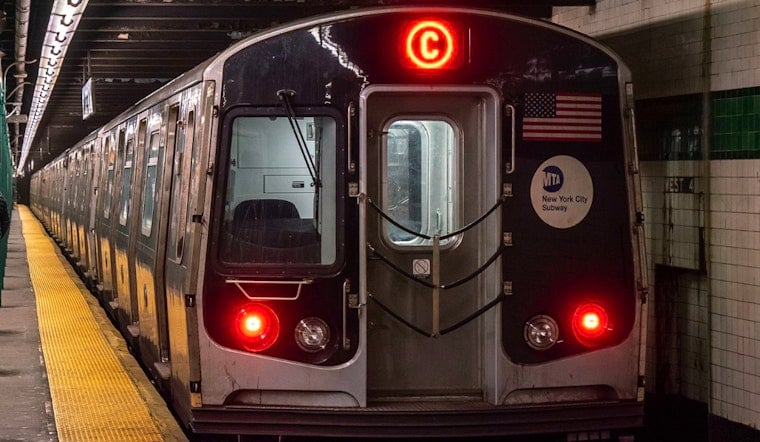
On Sunday, a packed C train in Manhattan turned into the scene of a reported antisemitic assault when a 23-year-old Upper West Side woman was allegedly targeted and attacked, according to fellow riders. Passengers say the assailant singled her out before ripping out a chunk of her hair. Police arrested a suspect, and the incident is now under active investigation.
According to New York Post, video provided to the outlet shows the attacker shouting "Jews are eating kids" at the rider before grabbing her hair and pulling out a clump. The outlet reports that the victim later spoke with its reporters and that officers took a suspect into custody after the train reached its destination. The Post also published the clip along with several passengers' cellphone recordings of the confrontation.
Citywide context
The attack comes at a moment when antisemitic incidents in New York City are already elevated. The Anti-Defamation League’s Audit of Antisemitic Incidents recorded 860 antisemitic incidents in New York City in 2025, the largest total for any single city in its national tally, and noted that physical assaults remain a troubling part of the picture. That backdrop helps explain why a bias-tinged assault on public transit sparks such intense local concern and scrutiny.
Legal implications
If investigators conclude that the assault was motivated by the victim’s religion, the underlying offense can be prosecuted as a hate crime under state law. New York’s hate crime statute treats specified offenses committed because of bias as hate crimes and allows for enhanced sentencing. The definition of a hate crime and the applicable sentencing guidelines are outlined by the New York State Senate. It was not immediately clear whether prosecutors would pursue a hate crime enhancement in this case, the Post reported.
What comes next
Detectives are expected to review available video and interview witnesses while prosecutors decide what charges to file. City reporting and NYPD data indicate that anti-Jewish incidents remain the largest single category of confirmed hate crimes in early 2026, which makes potential bias motivation a likely focus of the probe. This story will be updated as officials release additional details.





