

























































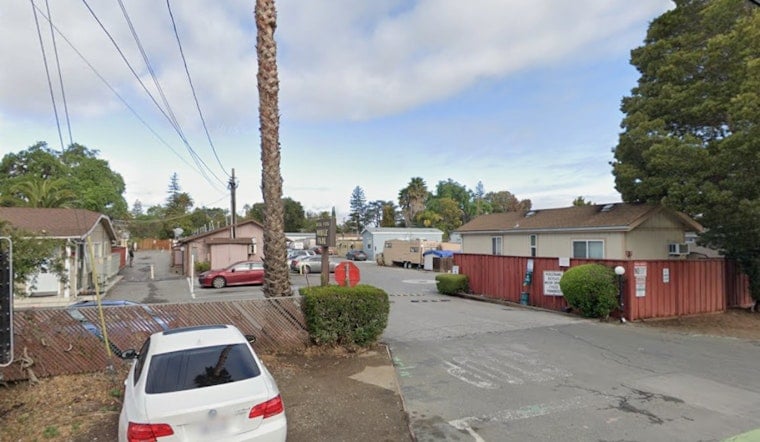
California tried to jump-start a long-stalled effort to fix aging mobile home parks, and at first it looked like a quiet success story. A few communities suddenly had paved roads, upgraded sewer and water hookups, sturdier electrical systems and, in one case, brand-new manufactured homes. But with one-time funding and tight state deadlines, dozens of other parks are now bogged down in permitting, shrinking project plans or long queues that may never clear.
One park's big turnaround
The clearest win so far is in the Coachella Valley. Nonprofit owner Caritas took Shady Lane Estates, a park packed with deteriorating units and unreliable utilities, and rebuilt it into something residents say actually works. Older homes were pulled out and replaced with new manufactured units, and the water, sewer and electrical systems were rebuilt so air conditioning and plumbing run like they are supposed to. CalMatters reports the overhaul cost roughly $10.6 million in combined state and local money and the park reopened in late April. Local coverage in the Coachella Valley Independent and project details from Caritas document the ribbon-cutting earlier this spring.
How the MORE program works
The money behind Shady Lane flows from the Manufactured Housing Opportunity and Revitalization program, better known as MORE. State officials overhauled the long-quiet program in 2023 so resident groups, qualified nonprofits and certain public agencies could seek grants or forgivable loans to buy parks, rehab older ones or replace failing homes entirely. The California Department of Housing and Community Development lists its first-round selections across multiple regions and project types, from modest fixes to large-scale rebuilds. HCD's award list includes the Shady Lane funding as well as a much larger award for Palo Alto's Buena Vista Mobile Home Park.
Redevelopment plans get scaled back
Big checks do not always translate into big construction. The Santa Clara County Housing Authority secured the single largest MORE award, roughly $24.6 million for Buena Vista in Palo Alto, but then had to dial back its vision. As costs climbed faster than expected and some residents pushed back, officials also faced the clock on state grant deadlines. Public notices and coverage in the Palo Alto Daily Post show the agency shifted course and told residents they would be temporarily relocated for infrastructure upgrades rather than moved out for an immediate, full park rebuild.
Money is running out
Those scaled-down plans highlight a basic numbers problem. In its first round, MORE handed out about $136 million to more than two dozen parks, but it also rejected applications that together sought around $186 million, a reminder of how far demand outstrips available cash. CalMatters tallied the award totals and unfunded requests, while the Governor's 2026-27 budget documents show the special funds that support MORE are down to about $27 million. That modest balance, spelled out in the state's Governor's Budget, makes another large, statewide funding round unlikely unless lawmakers add fresh money.
What's next for residents
Housing advocates argue that MORE has already proved the state can shore up a rare form of relatively affordable homeownership if it wants to. They also warn that without steady funding, clearer timelines and simpler applications, the program will never reach the scale needed to make a serious dent. The recent expansion of MORE traces back to 2022-23 statutory changes in AB 2247 that broadened who could use the program and what they could do with it. Budget analysts and legislative records point out that the extra money tied to those changes mostly came in one-time chunks rather than ongoing revenue, setting up the next state budget debate as a pivotal moment for park residents and local agencies. For more detail on the statute and fiscal backdrop, see the bill text on LegiScan and the LAO overview of recent housing spending.





