

























































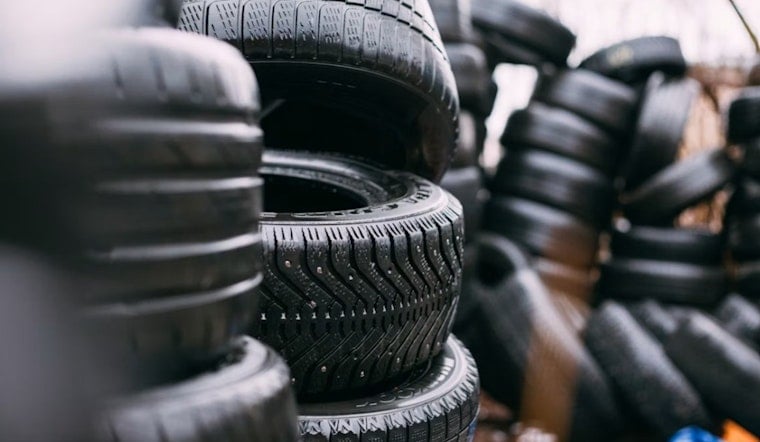
California regulators are coming for your tires, and they want them to roll a little easier. The California Energy Commission has floated a new rule that would force most replacement tires sold in the state to be, on average, as energy efficient as the ones that come on new cars. Starting in 2028 and tightening again in 2031, the plan is pitched as a two‑for‑one deal: lower fuel bills for drivers and less pollution in the air.
What the rule would do
Under the staff proposal, replacement tires made for sale in California would have to meet a two‑phase energy performance standard. Phase 1 would kick in on January 1, 2028. Phase 2, a stricter round, would follow on January 1, 2031.
The draft rule sets rolling resistance limits by tire category, which is the key to how much fuel a tire helps save, and layers on a minimum wet‑grip requirement meant to keep traction from taking a hit. In filings with the California Energy Commission, staff argue the standards are technically feasible and cost‑effective, not some science‑fair fantasy.
Money and politics
Staff modeling says that once the rule is fully up and running, it could save California drivers nearly $1 billion a year in fuel by 2035 and trim about 2.0 million metric tons of carbon dioxide equivalent. Those are big headline numbers, but the everyday math is what most drivers will feel.
The proposal assumes more efficient tires will cost a bit more up front, roughly $26 extra per set. Even with that higher sticker price, drivers would still come out ahead by an estimated $153 over the life of a set of tires, according to reporting by the Los Angeles Times. Bill Magavern told the paper, “this is a tool that California has to cut costs and clean up the air.”
Supporters pitch it as a low‑hassle climate measure that quietly saves people money every time they fill up. Critics counter that the state is lowballing real‑world costs and glossing over the needs of drivers who rely on specialty rubber that does more than just commute duty.
Who is for it and who is not
Consumer advocates, including the Consumer Federation of America, argue that inefficient replacement tires are already draining wallets. In a press release, they said Californians are spending hundreds of dollars extra on gas because of poor‑performing tires and that better options are already on the shelf. Their analysis is laid out in a Consumer Federation of America release.
On the other side, the Specialty Equipment Market Association and several dealer and manufacturer groups are urging caution. They warn the rule could box in drivers who need high‑performance or specialty tires, limiting choices or nudging prices higher. SEMA has been particularly vocal in public comments and outreach, saying the state risks tinkering with niche segments it does not fully understand.
Tire makers themselves are split in filings and at hearings. Some major brands and large retail chains have signaled support for the general direction of the rule. Others have warned about tradeoffs and possible unintended consequences if the standards end up too rigid.
Safety and durability
Safety and how long the tires last have been hot topics in the hearings. Critics argue that low‑rolling‑resistance designs can trade away grip, especially in the wet, or wear out faster, which would quickly eat into any savings at the pump.
Testing by Consumer Reports suggests that properly engineered low‑resistance tires can still meet wet‑grip and longevity expectations, which is the balance regulators say they are aiming for. To address safety concerns directly, staff have built in a wet‑grip minimum and tweaked the efficiency standard for long‑life models so that tires designed to last longer are not automatically penalized.
Timeline and what comes next
The commission has already posted the rulemaking materials and held a remote public hearing in early June. According to the rulemaking docket and event notices, there was a public hearing on June 10, 2026, and a written comment window that closed on June 9, 2026.
Staff say they may revise the proposal after reviewing feedback. Any final regulation would still need a vote by the full commission before it has legal teeth.
For now, drivers and tire shops are looking at a slow roll rather than an overnight switch. If the rule is adopted, manufacturers and retailers are expected to phase in changes over the next few years, gradually reshaping what is stacked on tire racks across California.





