

























































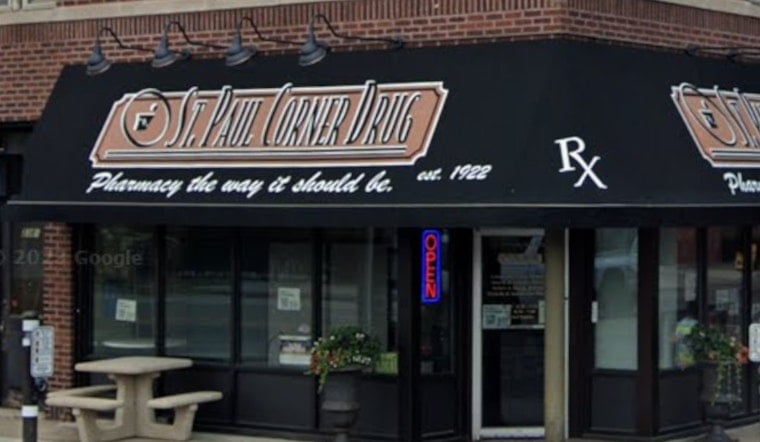
Filling prescriptions has become a money-losing proposition at St. Paul Corner Drug, to the point that, earlier this year, the neighborhood pharmacy stopped accepting new prescription customers and started a waitlist instead. The century-old, family-run shop still pushes through hundreds of prescriptions a day, but owner John Hoeschen says razor-thin reimbursements and other middleman practices mean many of those fills lose money. To keep the lights on, the store has put more energy into higher-margin services like vaccine clinics and mail order.
As reported by Twin Cities Business, St. Paul Corner Drug employs three pharmacists and can fill around 500 prescriptions a day, yet the business "can't break even on two-thirds of the prescriptions it fills." After watching margins on routine fills disappear, the Hoeschen family rolled out a new-patient waitlist at the start of 2026. That shortfall is what pushed the pharmacy to expand vaccinations and other clinical services, which now generate most of its positive margin.
"The busier you are, the more money you lose," Hoeschen told Twin Cities Business, summing up the upside-down economics. He and his daughter Hildie say insurance plans and PBMs often reimburse less than the pharmacy's actual acquisition and dispensing costs, so vaccines, which are reimbursed as services, have become a lifeline. A shingles shot, for example, typically brings in about $20 in reimbursement and leaves roughly $7.50 of margin, a far better return than many prescription fills.
How PBMs squeeze independents
Pharmacy benefit managers, or PBMs, are widely blamed for contract terms that push reimbursement down and funnel business toward large, vertically integrated chains, leaving independent pharmacies with margins that are thin or even negative. Consolidation and PBM contracts have helped drive a wave of closures across Minnesota in recent years, according to the Star Tribune. Pharmacists warn that the fallout is not just shuttered storefronts but shrinking local access to basic care.
State policy moves
According to the Minnesota Department of Human Services, the state has put a short-term directed dispensing payment in place that adds $4.50 to eligible Medicaid managed care prescriptions and is moving toward a single-PBM model for state programs. DHS says eligible pharmacies must file an assurance form by July 24, 2026, and managed care plans could start issuing the supplemental payments as early as August. State officials frame these steps as a bridge to longer-term changes in acquisition-cost surveying and reimbursement rules designed to stabilize community pharmacies.
Legal and legislative pressure
At the Capitol, legislators have been weighing carve-outs and reimbursement-floor bills meant to prevent below-cost fills for Medicaid and MinnesotaCare, according to House Session Daily. Those proposals sit alongside broader enforcement efforts. Attorney General Keith Ellison has joined a multistate coalition urging Congress to bar PBMs from owning pharmacies, as covered by FOX9. Advocates say the combined legal and legislative pressure could reshape the financial landscape that independent pharmacies blame for so many recent closures.
What customers can do
St. Paul Corner Drug is asking prospective patients to join a waitlist for prescription transfers and is leaning on a cost-plus self-pay program, mail-order service and delivery to keep cash flow steady while navigating insurance networks, according to St. Paul Corner Drug. The gradual shift away from walk-in access has watchdogs worried. Research shows many communities depend on a small number of keystone pharmacies, and when those disappear residents face longer drives or lose convenient access to medication altogether, according to a study in JAMA Network Open. That access problem is a big part of why pharmacists and advocates are pushing for policy fixes instead of quietly watching more stores close.
For now, Hoeschen and other independent owners are trying to balance their books by focusing on services that insurers still reliably cover while lawmakers and regulators tinker with payment structures and PBM oversight. Whether those efforts will be enough to keep neighborhood pharmacies across Minnesota in business remains an open question, but the conversation has shifted from back-room complaints to concrete policy moves that could decide who stays open and who does not.





