

























































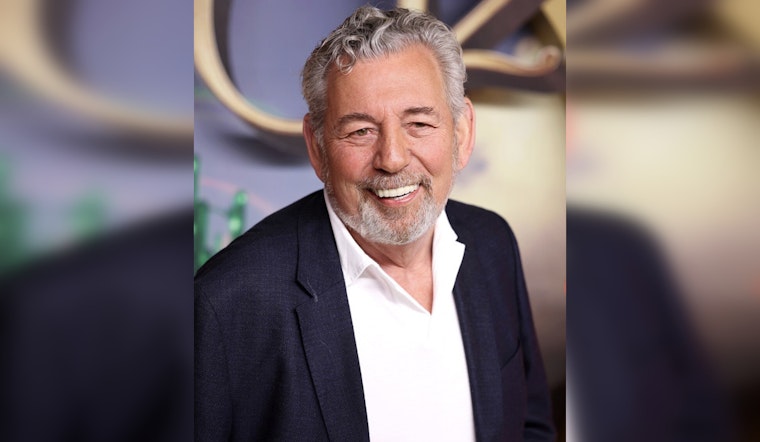
Days after the Knicks finally snapped a 53-year championship drought, owner James Dolan poured a little cold water on the parade. Fresh off a long-awaited title, he made it very clear he is not just going to write blank checks to keep everyone in orange and blue. One offhand comment on local sports radio was all it took to turn a citywide victory lap into a summer of second-guessing about who will actually be back next season.
On WFAN’s “The Carton Show,” Dolan drew a bright red line at the NBA’s punitive second-apron payroll threshold, saying, “I’ll write as big of a check as possible, but I can’t write a check that goes into the second apron,” according to Sports Illustrated. The remark came right on the heels of New York clinching its first NBA title since 1973 with a Game 5 win over the San Antonio Spurs, per NBA.com. Local TV and radio jumped on the comments immediately, with Fox 5 New York rolling out a roundtable to dissect what Dolan’s hard cap line might mean for the off-season.
Cap Math And The Second Apron
The “second apron” is essentially a hard ceiling above the luxury tax line, a point of no return that comes with harsh roster-building handcuffs. As CBS Sports explains, teams that cross it cannot aggregate salaries in trades, include cash in deals, or use certain cap exceptions, and they can run into draft-pick penalties. In other words, it is a very expensive neighborhood to move into and an even tougher one to move out of.
Early salary projections put the Knicks at roughly $16.5 million below that second-apron line as they head into the off-season. Trying to bring back every contributing piece from the championship rotation would almost certainly shove them into that danger zone. That reality is why Dolan reportedly called blowing past the line “suicidal,” at least in his view.
Who’s Most At Risk
Given that math, it is the depth, not the starting five, that figures to feel the squeeze first. Mitchell Robinson, Landry Shamet and Jordan Clarkson are all set to hit unrestricted free agency, while Jose Alvarado holds a roughly $4.5 million player option for this summer, according to HoopsRumors. Those are precisely the kinds of rotation minutes that cap-strapped contenders often replace with veteran minimum signings and bargain draft picks.
How The Knicks Could Respond
New York’s options are not glamorous. The front office can try to talk role players into short-term, team-friendly deals, lean on the draft and trades to backfill lost depth, or accept that paying to chase a repeat might mean living with long-term constraints. None of those choices is painless.
The second-apron rules strip away many of the usual tools for contenders, limiting trade flexibility and curbing free-agency creativity, a point CBS Sports underlines. In practical terms, it turns what should have been a summer-long celebration for Leon Rose and the basketball operations group into a careful triage operation.
The clock is already ticking. The NBA Draft is scheduled for June 23–24, and the league calendar flips in the final days of June, with the moratorium period and official signing window following closely behind, timelines laid out by HoopsRumors. That compressed schedule means the Knicks will have to balance keeping their hard-won chemistry with respecting Dolan’s spending line almost immediately. How that philosophy shows up in actual contracts will go a long way toward determining whether this year’s breakthrough is the start of a dynasty or a one-summer fling.





