

























































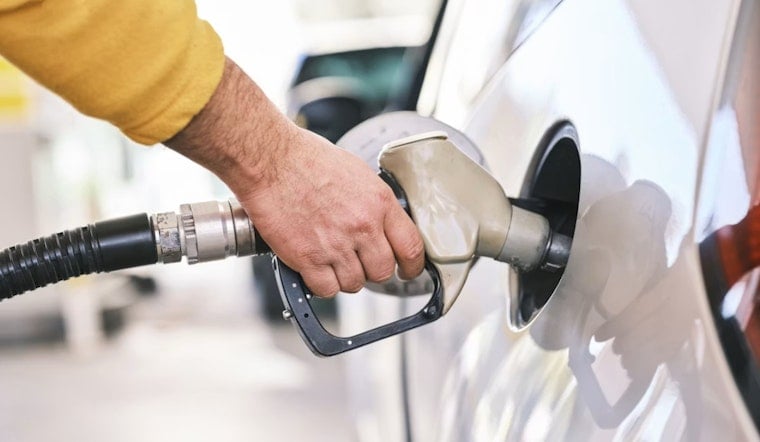
California drivers are scratching their heads over a cheaper fuel blend that is still not showing up at the pump, even though state lawmakers signed off on it last year. Gov. Gavin Newsom approved AB 30 on Oct. 2, 2025, formally authorizing E15 for sale in California. Months later, most motorists are still staring at the same old E10 option. The gap between the promise and the reality has many wondering whether lower prices were oversold or whether the rollout is simply tangled in bureaucracy and hardware hangups.
What Is Blocking E15 At The Pump?
The legal part moved quickly. The governor signed AB 30 to open the door to E15, and the law technically allows sales while regulators finish their reviews, according to the Governor's Office. On the regulatory side, the story is slower and a lot less glamorous. Staff at the California Air Resources Board have told manufacturers that the agency cannot certify dispensing and vapor-recovery equipment until several other state agencies complete their own signoffs. CARB guidance states that, as of Feb. 24, “there are no components certified as E15 compatible,” according to the California Air Resources Board.
Industry Blames Red Tape, Points To Potential Savings
Biofuel trade groups and fuel retailers say drivers are missing out on real money while vendors and regulators work through the technical details. Supporters note that E15 often sells for roughly 10 to 30 cents less per gallon in other states, according to Growth Energy. Jeff Wilkerson of Pearson Fuels, a major California distributor of higher-ethanol blends, told OPIS that some retailers hope to be ready within a year. He also warned that details such as pump labeling, hose assignments and terminal logistics are still unresolved.
Federal Summertime Rules Add Another Hurdle
There is also a seasonal twist. Federal summertime vapor-pressure rules under the Clean Air Act limit gasoline Reid vapor pressure during the high-ozone season, roughly June 1 to Sept. 15. That restriction has historically kept E15 out of many conventional gasoline markets unless the Environmental Protection Agency grants a waiver. In recent years, the agency has issued short-term RVP waivers, which means summer availability can depend heavily on federal action, according to the EPA.
Why Some Stations Are Holding Back
For station owners, the decision is mostly about cost and risk. Many dispensers, hoses and underground systems have to be verified or replaced before E15 can be sold safely and legally. Federal and industry analyses, along with congressional testimony cited by regulators, estimate that if an owner has to dig up tanks and swap out dispensers, the price tag can easily hit six figures per site. That kind of bill helps explain why some operators are waiting, according to Congress. Until equipment is certified and labeling rules are finalized, early adopters face potential insurance problems and compliance headaches.
What Drivers Should Know
For now, the rules for drivers are simpler than the rules for stations. Federal guidance says E15 is approved for most passenger cars built in model year 2001 or later, according to EPA analyses and state documents. That does not mean you will actually find E15 on a California pump yet. Hoodline first covered the law that opened the door to the blend when it was signed last year; see Hoodline for background. In the meantime, drivers are advised to check their owner’s manuals, watch for certifications from CARB and the state fire marshal, and expect the rollout to be spotty at first.
Legal And Liability Risks Keep Retailers Cautious
Regulators and industry groups repeatedly highlight liability concerns. Selling E15 with uncertified vapor-recovery equipment or without the right pump labels can expose retailers to OSHA violations, insurance disputes and environmental enforcement. That is a powerful incentive to sit tight until formal certifications and clear rules are in place, as public testimony and agency guidance indicate. For now, the bottleneck appears to be technical and procedural rather than political, and the pace of equipment approvals will largely determine when the cheaper blend finally reaches most California pumps.





