

























































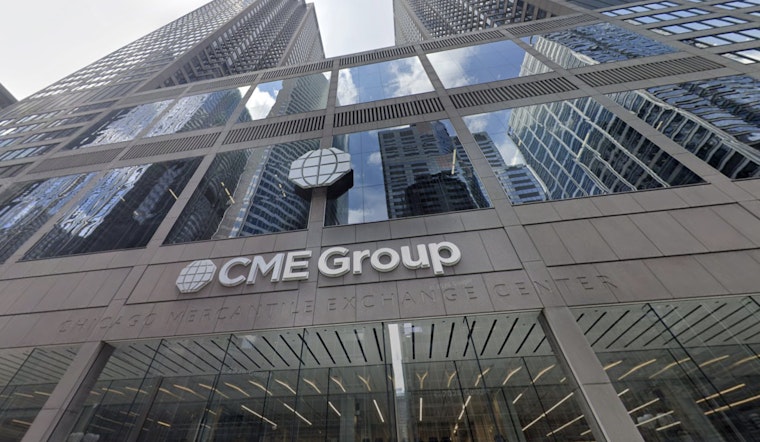
Traders are about to get even fewer excuses to miss a headline move. CME Group says it is rolling out around-the-clock trading for a new “tiny” West Texas Intermediate crude contract and its existing 1-ounce gold futures, giving market players a way to respond to supply shocks and geopolitical news whenever they hit. The exchange plans to launch a cash-settled 10-barrel WTI product on August 30 and open continuous trading for its 1-ounce gold futures on July 26, both subject to regulatory review. Executives are pitching the shift as a way to give hedgers and smaller traders more precise, always-on tools to manage risk outside the traditional session.
In a Thursday press release, CME said the 10-barrel crude contract will be cash-settled and listed on NYMEX, while the 1-ounce gold contract will continue to trade on COMEX. According to CME Group, “Our new WTI and Gold futures provide regulated products that are right-sized and available 24/7, ensuring traders can manage exposure whenever news breaks,” said Derek Sammann, the exchange's Global Head of Commodities Markets.
The plan was first reported by Crain's Chicago Business, which noted that the new oil contract is one-tenth the size of Micro WTI and arrives as options and micro-futures volumes have surged. That reporting highlights how exchanges are shrinking contract sizes and stretching hours to meet demand from both big institutional desks and smaller retail traders who want finer-grained exposure.
Market Context And The 24/7 Pressure
The move fits a broader industry drift toward always-on trading venues that first took root in crypto markets and has since drawn more attention from regulators. As reported by Bloomberg, exchanges including CME and ICE have urged U.S. officials to scrutinize anonymous offshore platforms that could skew oil prices. Hoodline previously covered CME's weekend crypto rollout earlier this spring, described there as a real-world test of continuous hours on a regulated exchange.
How The Contracts Work
The new 10-barrel WTI contract is designed for more granular hedging. Micro WTI is 100 barrels, so the “tiny” version is one-tenth that size, which translates into lower tick-value exposure and smaller margin requirements. Micro WTI fact sheets show a $0.01 per barrel minimum tick and a $1 tick value on the 100-barrel contract, so cutting the size should reduce the dollar impact of each price move and make crude oil exposure more accessible to smaller accounts. Full specifications are laid out in the Micro WTI fact card from CME Group.
What Traders Should Watch
Liquidity will be the real test. The exchange and outside market watchers point to hefty recent turnover as part of the rationale: WTI options hit a record average daily volume of roughly 320,000 contracts in the first quarter, and Micro WTI futures averaged about 272,000 contracts in May. Those figures were highlighted by Investing.com when covering the announcement. If regulators sign off, weekend price gaps could get smaller, although the earliest weekend hours are still likely to feature thinner trading and wider bid-ask spreads.
Regulatory Review
The new listings remain subject to regulatory review, and officials are expected to pay close attention to clearing, margining and reporting practices for trades that now occur over weekends. Bloomberg's reporting on exchanges' outreach to the Commodity Futures Trading Commission shows that regulators are already weighing how to balance broader access with the risks that come with nonstop trading of major benchmarks.





