

























































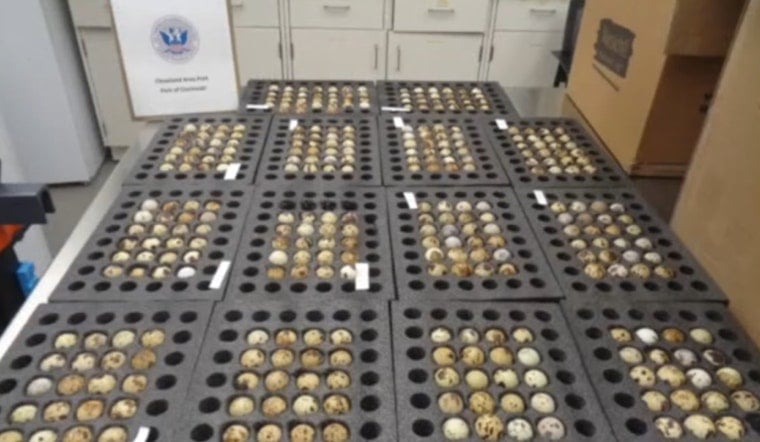
On May 27, Customs and Border Protection officers at Cincinnati's port of entry opened what was supposed to be a shipment of winter jackets from Germany and instead found something far more delicate inside: 337 hatching eggs packed in foam. The boxes were headed for Alaska but did not have the required U.S. Department of Agriculture paperwork, so officers seized the shipment and handed it over to the USDA's Animal and Plant Health Inspection Service, or APHIS, for custody and inspection. Officials say the catch came through routine agriculture screening designed to stop potential biological threats before they ever reach U.S. farms.
What CBP Says They Found
According to WLWT, Cincinnati CBP agriculture specialists pulled the package for a closer look after imaging raised questions about what was really inside. Instead of puffy coats, officers opened the boxes and discovered eggs nestled in foam layers, despite the shipment being declared as winter jackets.
In a statement to WLWT, Port Director Eric Zizelman said the interception "highlights the vigilance and dedication of CBP agriculture specialists." WLWT reports the eggs were seized on May 27 and turned over to APHIS for follow-up testing and whatever disposition USDA officials decide is appropriate.
Why USDA Puts Tight Controls On Hatching Eggs
APHIS warns that poultry hatching eggs can carry highly contagious viruses, including highly pathogenic avian influenza, and are therefore tightly regulated. Under APHIS guidance, importers need a USDA import permit, a veterinary health certificate, and a port inspection before hatching eggs can legally come into the country.
The agency notes that, "with few exceptions, poultry hatching eggs may not be imported from or transit through countries affected with highly pathogenic avian influenza (HPAI)." Importers also have to schedule inspections at least 72 hours in advance. Shipments that show up without the right documentation, such as the one stopped in Cincinnati, can be refused entry or seized outright.
Not The First Time Someone Tried This
CBP has seen this play before. Officers say similar attempts to sneak in hatching eggs have turned up at other facilities, which is part of why agricultural screening has become such a routine step in mail and cargo operations.
In one example, agriculture specialists at the Miami International Mail Facility in 2019 found 30 suspected hatching eggs in a package that had been declared as "children's toys," according to a CBP media release. Cases like that underscore how officers use imaging, training, and experience to decide which packages get pulled off the line for a second look.
What Happens To The Eggs Now
USDA will now decide whether the seized eggs need testing, quarantine, or destruction under APHIS protocols, and will arrange any necessary laboratory work or disposal. APHIS guidance explains that hatching-egg imports that are allowed into the country have to be quarantined at approved facilities, with importers on the hook for all related logistics and fees.
CBP officials say the agency will keep a tight watch on cargo moving through Cincinnati and other ports, and they are reminding shippers that cutting corners on permits and health certificates is a quick way to lose a shipment and potentially face penalties.





