

























































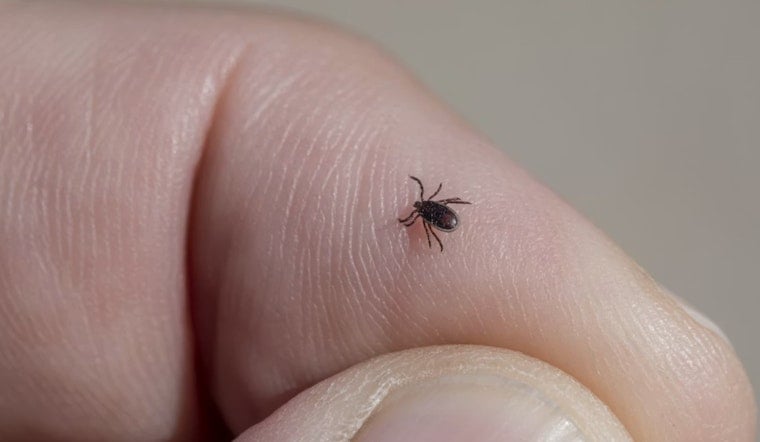
Doctors around Cincinnati are sounding the alarm about a rare but potentially life-threatening meat allergy tied to tick bites that appears to be showing up more often. The condition, known as alpha-gal syndrome, can trigger serious reactions hours after someone eats beef, pork, lamb, or other mammal meat, and in severe cases, it can send patients straight to the emergency room.
Federal researchers at the Centers for Disease Control and Prevention estimate that as many as 450,000 Americans may have been affected since 2010, based on laboratory and surveillance data. Public health experts say the rise likely reflects both more testing and the expanding territory of the tick that carries the alpha gal molecule.
Symptoms often sneak up hours after a burger or steak dinner and can include hives, itching, diarrhea , dizziness, and swelling of the lips, throat, tongue, or eyelids, according to Local 12. Alpha gal researcher Scott Commins cautioned that the blood test used to screen for alpha gal antibodies is far from perfect, noting that in allergy medicine, there is a lot of trouble with false positives on blood tests.
How Doctors Treat It
For people who test positive and have consistent symptoms, treatment usually starts with one big lifestyle change: avoiding mammalian meats. Clinicians also typically recommend that patients carry an epinephrine auto-injector for emergencies in case of a severe reaction after an unexpected exposure.
The U.S. Food and Drug Administration approved Xolair (omalizumab) in 2024 for certain IgE-mediated food allergies, and clinicians say it can lower the risk of serious reactions after accidental exposures. It does not cure alpha gal, but it may offer a safety net for some patients. Specialty clinics and hospital allergy centers provide step-by-step management plans and counseling to help people navigate label reading, restaurant dining, and day-to-day life with the condition.
Ticks on the Move
Behind the spread of the syndrome is the spread of a very specific culprit: the lone star tick. Researchers have documented this tick pushing north and along the coasts, including evidence of established populations on Martha's Vineyard, and public health surveillance now shows the species appearing in more counties across the upper Midwest.
A recent field study documented lone star ticks spreading across Martha's Vineyard, and federal surveillance maps chart new reports of the tick in areas where it used to be uncommon. That shifting map is a major reason clinicians say more people are being tested and diagnosed.
Medical Devices and Surprising Exposures
Alpha gal is a sugar molecule found in most non-primate mammals, so it does not only show up on dinner plates. It can also be present in animal-derived medical products, including certain heart valves, hemostatic sponges, and other implants.
Medical literature and case reports describe alpha-gal residues in some bioprosthetic heart valves and surgical materials. As a result, surgeons and cardiologists are increasingly factoring possible alpha-gal sensitization into preoperative planning for patients who already have the allergy or are at risk.
Testing and Prevention
Diagnosis typically combines a detailed history of delayed reactions after eating mammal meat with a blood test that looks for alpha-gal-specific IgE. Commercial laboratories offer alpha-gal IgE panels that clinicians can use to support the overall evaluation.
For Cincinnati area residents, Hamilton County Public Health publishes a local tick season guide that lays out practical prevention tips. The advice covers insect repellents, clothing choices such as long sleeves and pants, and careful tick checks after time outdoors, all aimed at cutting down on bites and the downstream risk of sensitization.
If you develop delayed hives, breathing trouble, or swelling after eating meat, clinicians recommend mentioning any recent tick bites or outdoor exposures so they can decide whether alpha gal testing fits your situation.
With tick season in full swing, those tiny bites can have outsized consequences, so local health departments and allergy specialists keep coming back to the same three rules: prevent bites when you can, remove attached ticks promptly, and seek timely medical care for any suspicious symptoms.



