

























































City leaders and child-advocacy groups want to supercharge New York's new Save for College seed accounts, pitching $1,000 for every public‑school kindergartner and up to $3,000 for students with the highest economic need. Supporters say a bigger upfront deposit would let compound interest quietly pile up over the years, potentially turning a modest stake into more than $10,000 in scholarship funds by high‑school graduation and boosting college access for children growing up in low‑income neighborhoods. The debate is unfolding alongside Mayor Zohran Mamdani's new True Cost of Living measure, which has sharpened local focus on affordability and racial-wealth disparities.
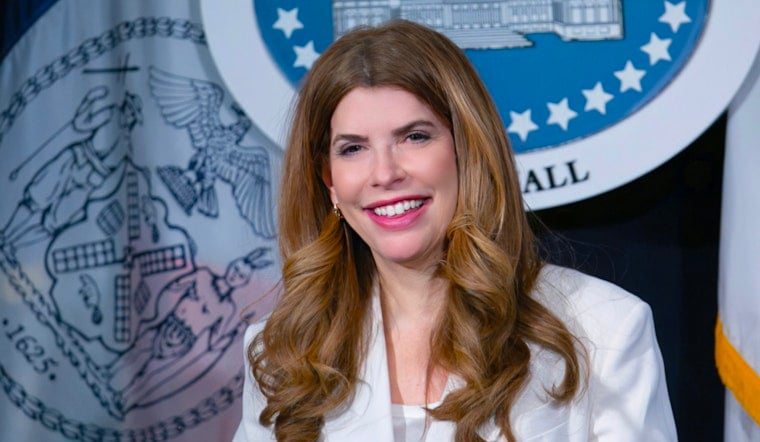
Jennifer Jones Austin, CEO of the Federation of Protestant Welfare Agencies, made the $3,000 pitch in an op‑ed arguing that an upfront investment in every kindergartner's future would advance racial and economic equity, according to New York Daily News. The proposal lines up with a City Council push from Speaker Julie Menin to create "NYC Future Funds" that would raise the program's default seed to $1,000 and steer $3,000 to those with the greatest needs, a move staffers highlighted on LinkedIn. Advocates say the increase would more than double current seed investments and tap into family savings, community scholarships and investment returns.
Why a Few Hundred Bucks Can Go a Long Way
Research cited by program organizers shows that children with even a small, supervised college savings account are far more likely to enroll in and finish college. Studies find that balances as low as $1 to $499 are linked with substantially higher college enrollment and graduation rates, a point emphasized by NYC Kids RISE and academic summaries. National write‑ups of the same research also stress how simply having "an account in your child's name" can shift expectations and behavior, according to GreatSchools. On the earnings side, the economic argument is straightforward: the Bureau of Labor Statistics reports a sizeable income premium for workers with bachelor's degrees compared with those who stop after a high‑school diploma.
How This Fits Into City Hall's 'True Cost' Reckoning
The push for larger seed deposits arrives as Mayor Zohran Mamdani's administration rolls out a Preliminary Citywide Racial Equity Plan alongside its first True Cost of Living measure that reframes what affordability really means in New York City. The administration's report finds that the median household net worth of white New Yorkers is roughly 15 times that of Black New Yorkers, a gap advocates say targeted early savings could help soften over the long term, according to the NYC Mayor's Office.
What's Next
Turning this from a rallying cry into a budget line is the hard part. A universal $3,000 seed would come with a hefty price tag and would have to survive Council and mayoral negotiations during the budget cycle. Speaker Menin has framed the expansion as giving "our youth a real shot at long‑term economic mobility" in materials shared by program partners, and local reporting notes her significant sway over budget priorities. Advocates say they plan to keep pressing the case at hearings and throughout the coming budget fights, according to City & State and program posts.
Advocates from FPWA and NYC Kids RISE say they will pursue a mix of public dollars, philanthropic commitments and matching mechanisms to make the expansion workable and plan to testify if the proposal reaches a formal budget hearing, according to leadership statements from FPWA. For now, the conversation has shifted from quiet pilot accounts to a citywide debate over whether a few thousand dollars at age five can meaningfully change the arc of a child's life in New York.


