

























































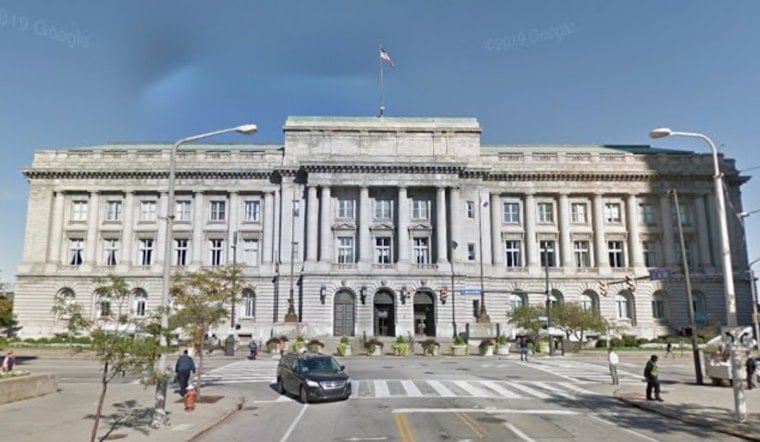
Cleveland City Council committees signed off Thursday on a plan to hike the city’s standard towing fee from $125 to $190 and raise daily storage costs at the police impound, a move that would make routine tows and longer impounds noticeably more expensive for drivers. Council members carved out a key exception for people whose cars were stolen and then recovered, keeping reduced fees in place for those victims. Both measures now move to the full council for a final vote.
As reported by Cleveland.com, the proposal would raise the baseline tow from $125 to $190 and bump charges for add-ons such as flatbed use or a tire change. Storage at the police impound would climb to $16 per day for the first five days and $14 per day after that, up from the current $9 and $6 rates. City officials pointed to 11,535 vehicles towed in 2025 and 1,585 recovered stolen vehicles that year as part of the administration's case for the change. Both ordinances cleared the committee, but they still need full council approval.
Ordinances, Code Tweaks And A Break For Victims
The fee plan arrives as a set of amendments to multiple sections of Chapter 405, and the Department of Public Safety’s filing spells out that the update is meant to bring local code in line with state protections for crime victims. The draft ordinance states, “No fee for storage shall be charged when the vehicle is the property of a victim of a crime,” language that appears in the city’s filing on City Legistar. The proposal also keeps lower impound and recovered-stolen fees on the books even as it raises the baseline towing rate and several towing-preparation charges.
Council Debate And The Amendment That Shielded Victims
During committee discussion, Councilman Brian Kazy introduced an amendment to the recovered-stolen section that successfully left the tow charge for those vehicles at $50, arguing that “it is unsettling to charge crime victims to get their vehicles back.” According to Cleveland.com, the original draft had floated a $75 tow fee for recovered stolen cars, but Kazy’s change locked in the lower rate.
Councilman Mike Polensek told colleagues that commercial insurance often picks up the towing cost for people whose cars were stolen, and supporters pointed to rising operating expenses for towing companies, including labor, equipment, and training. Those costs have been climbing nationally, in part because many electric vehicles require flatbed recovery and specialized handling, which drives up average tow prices, a trend noted by Allstate.
What This Means For Cleveland Drivers
If the ordinances clear the full council, Clevelanders who get ticketed or have a vehicle removed will be looking at steeper bills when they head to the impound lot, while most owners retrieving stolen-and-recovered cars would continue to see reduced fees. The city filing notes that contracted tow companies and the private operator that runs the impound collect towing revenue, so the increases would largely hit people reclaiming vehicles rather than boosting City Hall’s general fund. That contract structure is outlined in the ordinance text on City Legistar.
Backers say the overhaul is overdue, since Chapter 405 shows the base towing schedule was last updated in 2014, and some storage fees reach back to 2001. Skeptics counter that such a sharp jump in charges could squeeze residents who are already feeling the pinch from recent downtown parking changes.
Both measures now await a final vote from the full City Council. If passed as emergency ordinances, they could take effect immediately under the city’s filing. We will keep an eye on the council calendar and report back once a vote is set.





