

























































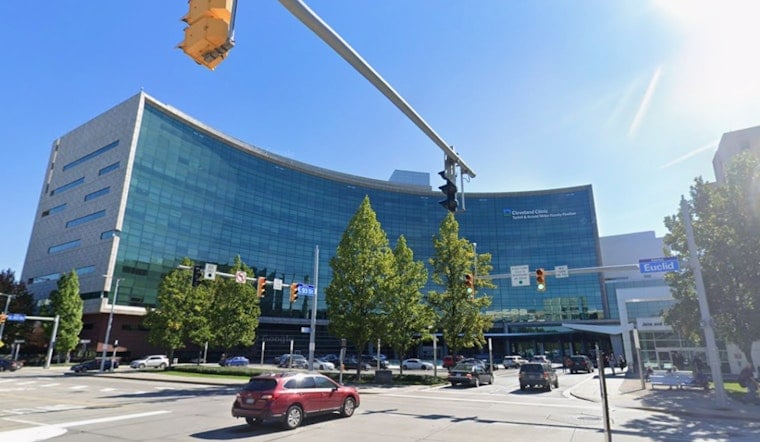
This fall, Cleveland-area families will have a new option before things get bad enough for an overnight hospital stay. Cleveland Clinic is launching a pediatric day-treatment program at its Children's Hospital for Rehabilitation, a partial-hospitalization track that gives kids intensive, school-day mental-health care while still sending them home to their own beds each night. The weekday program is meant to fill the wide gap between a quick weekly therapy visit and a full inpatient admission for young people dealing with depression, anxiety, self-harm, and related struggles.
Program details and scope
The pediatric partial-hospitalization service will run out of a renovated space inside Cleveland Clinic Children’s Hospital for Rehabilitation and is designed for patients who need more than standard outpatient therapy but do not require round-the-clock inpatient care, clinic officials say. Sessions will be kept small, with roughly six to 12 patients enrolled at a time, allowing for a more structured and supervised day than most families can realistically pull off at home, according to Cleveland Clinic Newsroom. "What we see is that many families face fragmented care and long waitlists," Joe Austerman, chair of the department of pediatric behavioral health and neurosciences at Cleveland Clinic Children’s, said in the release.
Therapies and tech
Clinic leaders say the new program will mix familiar tools like group therapy and family sessions with some flashier support. The model includes virtual-reality exposure therapy, an AI assistant that offers standardized journaling prompts and session summaries, and frequency-specific microcurrent therapy to help patients practice coping skills during the treatment day. As reported by Becker's Behavioral Health, the goal is to keep kids engaged and speed up skill-building so they can still head home each night instead of being admitted to a hospital unit.
The scale of the need
National data help explain why hospitals are trying new formats like this. Mental, behavioral, and developmental disorders affect roughly 28% of children in the United States, and research suggests nearly half of those kids do not receive the treatment they need. That gap has contributed to overwhelmed emergency departments and outpatient clinics in recent years, according to a review in JAMA Network Open. Public-health experts have also documented sharp increases in teen depression and suicide-related emergency visits since the COVID-19 pandemic.
Local context: ER surges and other options
Cleveland Clinic leaders say the warning signs have been lighting up close to home. Visits by patients younger than 21 to the system’s pediatric emergency services for mental-health concerns have jumped by almost 300%, a surge that clinic officials say helped push this new program from idea to reality. They have also outlined a slate of related efforts, including a mobile intensive-intervention team, a suicide-prevention center, and a behavioral-health unit embedded in pediatric emergency departments, supported in part through a partnership with the Ohio Department of Behavioral Health, according to Cleveland Clinic Newsroom.
Cleveland is not starting from scratch on intermediate levels of care. University Hospitals already runs partial-hospitalization and intensive-outpatient tracks for adolescents, with in-person group therapy and school-day supports built into the schedule, per University Hospitals.
Clinic officials say the new day-treatment program will serve children and teens roughly ages 8 through 18 and is intended to last about two to three weeks per treatment episode while patients continue their schooling and return home at night, Cleveland.com reported. Families interested in referrals are encouraged to talk with their pediatrician or contact the Cleveland Clinic Children’s day-therapy intake team to learn more about eligibility and scheduling. The fall launch adds another piece to a patchwork of local intermediate-care options that try to keep young people connected to home and school while they receive more intensive mental-health support.





