

























































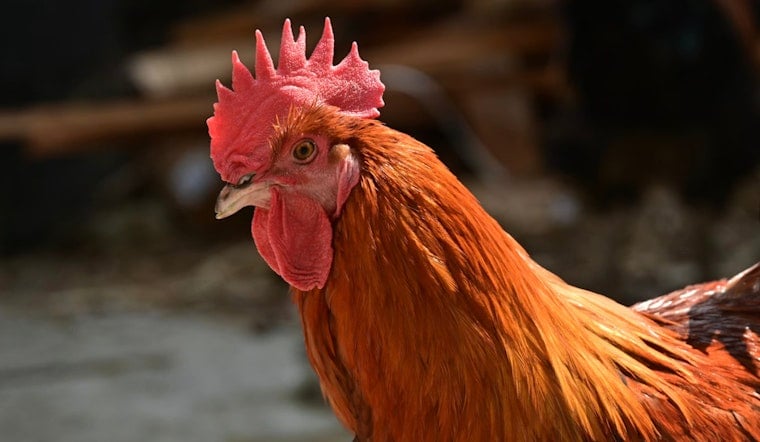
Rooster drama is back on the Sacramento County agenda, as supervisors weigh a new set of rules that could sharply limit how many backyard birds can legally crow before sunrise. The draft package would tweak zoning and animal-care rules to control where roosters are allowed, cap the number of birds based on lot size, and set up a registration route for hobbyists and breeders. Supporters say the move is about turning down the pre-dawn noise and improving conditions for the animals, while critics warn it could collide with cultural traditions and squeeze small-scale breeders.
According to Sacramento County Planning & Environmental Review, the county’s 311 system recorded more than 800 unique crowing-fowl cases between Jan. 1, 2022, and July 25, 2025. Most complaints focused on noise, sanitation issues and suspected cockfighting. County staff say the zoning and county-code amendments are meant to improve land-use compatibility and animal-welfare standards and to reduce public-health risks, including concerns about Highly Pathogenic Avian Influenza. Planning materials also note that staff held multiple public workshops and met with agricultural and cultural stakeholders while crafting the proposed changes.
What the draft would change
According to a Sacramento County planning presentation, the draft would tighten lot-size rules and rooster limits by allowing roughly one rooster per 14,520 square feet, or about one-third of an acre. Smaller residential lots could have up to two roosters with a Temporary Use Permit, while agricultural parcels would be capped at five. The proposal also spells out coop setbacks and sanitation standards and includes exemptions for bona fide educational programs, breeders and exhibitors. Supporting agenda documents would also prohibit the tethering and mutilation of roosters, as reported by The Sacramento Bee.
How officials would enforce it
According to Sacramento County Planning & Environmental Review, enforcement would be complaint-driven. Officers would issue notices and generally give about 30 days for owners to comply or to register, with appeals routed to the Board of Zoning Appeals. The Planning Commission reviewed the amendment in February and forwarded recommendations to the Board, according to OpenPublica. The same OpenPublica meeting transcripts show staff made adjustments to the draft after public input and discussions with stakeholders.
Community concerns and cultural pushback
Some cultural organizations and longtime breeders have pushed back, warning that the rules could interfere with religious practices and small household economies. "Restricting the number of roosters would intrude on these practices, effectively pricing out families and undermining long-standing cultural and spiritual customs," the California Hmong Chamber of Commerce wrote in a public comment letter, as reported by The Sacramento Bee. County staff say they have met with community representatives and built a voluntary registration option and education-program exemptions into the draft, according to the county planning presentation.





