

























































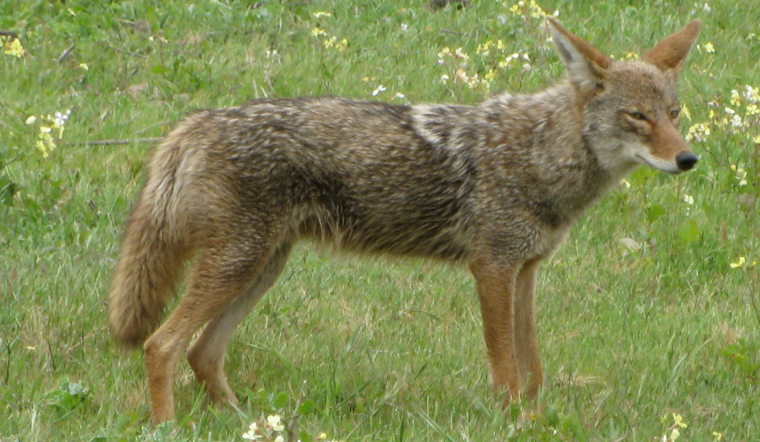
College Park neighbors are on alert after a resident says a coyote attacked a cat in her own yard, the latest in a string of encounters that she reports have already left several of her feral cats dead and her wallet thousands of dollars lighter.
According to ClickOrlando, the woman has invested heavily in fencing, cameras, and other deterrent devices, only to watch coyotes keep showing up. In the station’s video, she urges fellow residents to keep their cats indoors and to lock down anything that might attract wildlife, including unsecured trash and pet food left outside.
What wildlife officials say
State wildlife guidance and university extension experts say that trying to relocate or broadly remove coyotes usually backfires, because once a territory is cleared, new coyotes quickly move in and populations can rebound. The University of Florida/IFAS extension recommends focusing on specific problem animals when necessary and putting most of the effort into prevention and hazing techniques instead. UF/IFAS Extension details why large-scale relocation rarely solves conflicts with urban coyotes for long.
How to protect pets
Wildlife agencies advise residents to cut down on attractants, secure garbage, and avoid leaving pet food outside, while using active hazing methods such as loud noises, air horns, or motion-activated sprinklers to reinforce coyotes’ natural fear of people. Local guidance also emphasizes keeping cats indoors and walking small dogs on short leashes at dawn and dusk, when coyotes are more likely to be active. For step-by-step hazing techniques and additional prevention tips, neighbors can consult the guide compiled with FWC and UF/IFAS in the City of Winter Park’s coyote materials. City of Winter Park / FWC guide
Not an isolated problem
Residents across Orlando have reported coyotes getting bolder in recent months, with more stories of pets being targeted. In February, neighbors in the Rowena Park area told FOX 35 Orlando that coyotes attacked a small dog, prompting a visit from Florida Fish and Wildlife biologists to check out the neighborhood.
Report aggressive animals
Officials say that if a coyote comes toward people, stalks pets, or otherwise seems unfazed by human presence, it should be reported to the Florida Fish and Wildlife Conservation Commission and local animal control so they can assess the situation. WFTV notes that FWC’s website and regional offices provide instructions on how to report these encounters, along with additional safety guidance for residents.



