

























































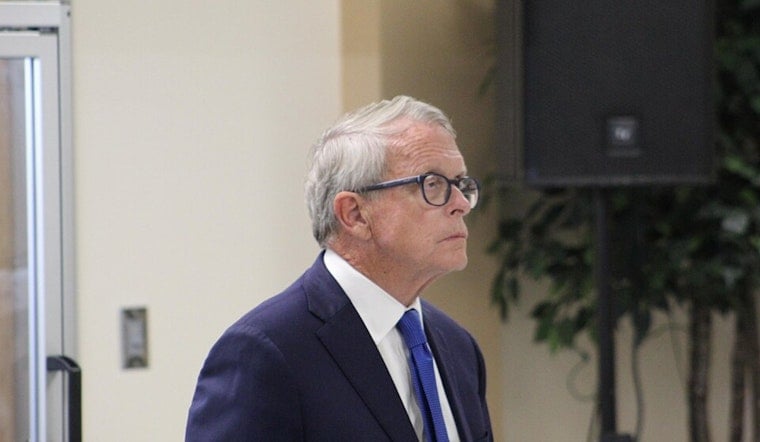
Ohio lawmakers have signed off on a plan to go after catalytic converter thefts, sending House Bill 210 to Gov. Mike DeWine on June 11 after the House signed off on Senate changes. The package hikes penalties and tightens who can buy and sell the high-value parts, with supporters arguing the move will squeeze the black market behind quick, costly thefts across the state.
Under the bill, taking a catalytic converter would typically be charged as a fifth-degree felony, bumped up to a fourth-degree felony for repeat offenders, and businesses convicted of trafficking in stolen converters could be hit with fines ranging from $10,000 to $50,000 per violation, according to the bill text on the Ohio Legislature. The measure would also require scrap-metal dealers to delay payments for two days, maintain detailed records of each deal and cap sales at one converter per person per day so investigators have a clearer paper trail when something looks off.
The House formally agreed to the Senate’s revisions and sent the bill to DeWine on June 11, according to the chamber’s public records, its status is currently listed as "Sent To The Governor" on the Ohio House legislation page. Under Ohio procedure, the governor has 10 days to sign or veto a measure before it can automatically become law without his signature, as outlined by the Ohio School Boards Association.
Prosecutors and local coverage say the effort is a response to years of reports of cars stripped in driveways and parking lots, paired with a steady resale market for used converters. As FOX8 reported, lawmakers moved after months of complaints from residents and briefings from local law enforcement, while the Ohio Prosecuting Attorneys Association has flagged HB210 as one of the bills it is backing to crack down on scrap-metal trafficking.
What the bill would change
The legislation tightens rules for scrap dealers and sets up an electronic registry to help police and regulators follow converter sales, including secure search tools and required notices spelling out penalties for using fake identification. It also gives state officials broader oversight of scrap yards, permits license revocation for businesses that knowingly handle stolen converters and requires that dealers maintain searchable records, according to the language on file with the Ohio Legislature.
Legal implications
The tougher felony categories are designed to close what prosecutors saw as a gap that left many converter thefts treated like relatively minor property offenses, even when repair bills were anything but minor. The new structure raises potential prison time for repeat offenders and allows for restitution to victims. "Catalytic converter theft has plagued our communities," Rep. Phil Plummer said when he rolled out the bill, explaining the push for stronger tools, his comments are recorded by the Ohio House. Prosecutors and some local officials argue that pairing higher penalties with stricter rules for scrap dealers will make it tougher to unload stolen parts while spelling out clearer expectations for legitimate recyclers.
From here, the process is straightforward: DeWine can sign the bill, veto it or let it quietly become law after the 10-day window closes. After that, the real test will be in the rollout, as the state builds the registry, writes the administrative rules and local agencies decide how aggressively to enforce the new provisions. National insurers and watchdog groups have been tracking converter thefts in recent years, saying the crimes often plug into organized networks, and Ohio law enforcement organizations see HB210 as one more lever to pull in trying to cut off that supply chain.



