

























































Prosecutors in Milwaukee say a local man may have rhymed his way back into a cold case, after rap lyrics allegedly tied him to a 2021 shooting on the city’s northwest side.
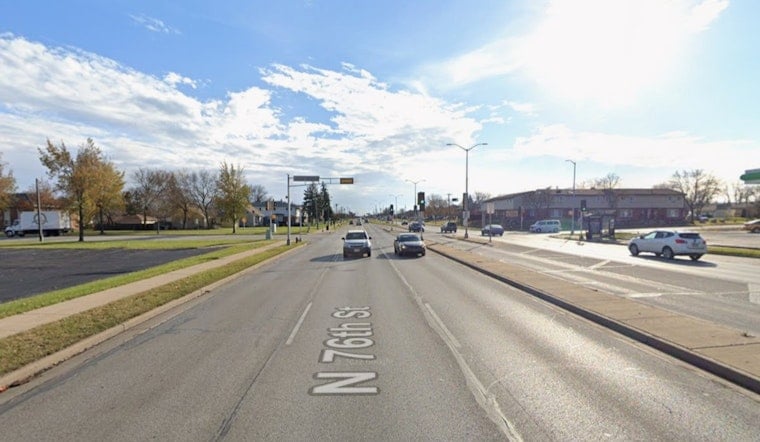
The victim survived the attack near North 76th Street and West Green Tree Road, but the case was previously dismissed when a key witness did not show up for trial. Investigators recently searched the suspect’s home and say they found a notebook whose lyrics describe the incident in detail. With that discovery, authorities say, the long-dormant file is now active again and charges are pending.
According to CBS 58, police arrested Johnny Ford in connection with the 2021 shooting. Prosecutors told the station that officers found a notebook of rap lyrics during the recent search that appeared to mirror specifics of the attack. Investigators also reported recovering firearms and illegal drugs at the home. Ford now faces several counts, including attempted first-degree intentional homicide, the outlet reports.
How Lyrics Ended Up Back In The Case File
Using someone’s creative work as an investigatory lead or courtroom exhibit has become a recurring flashpoint in criminal justice. Researchers have documented hundreds of cases in which rap lyrics showed up in charging documents or at trial. Critics say that treating verses like a diary entry risks blurring the line between an artist’s persona and an actual confession, and they argue the practice hits Black artists particularly hard, sparking civil-rights concerns.
The Guardian has explored several high-profile prosecutions where lyrics were introduced as evidence, as well as the wider debate over whether that crosses a constitutional line.
States Push Back With New Rules
In response to that growing tension, lawmakers and advocacy groups in several states have moved to curb when and how creative work can show up in court. In Maryland, the Protecting Artists’ Creative Expression (PACE) Act was signed into law on May 12, 2026, creating new guardrails on the admission of lyrics and other artistic material as evidence.
PEN America hailed the measure as a model for other states that want to safeguard artistic expression while still allowing genuinely probative material into the record.
What Judges Will Sort Out Next
Whether Ford’s notebook ever gets read aloud to a jury will be decided in pretrial motions. That is where judges weigh how useful a piece of evidence might be against the risk that it will unfairly sway the jury.
Courts typically apply a basic relevance-versus-prejudice test, and experts warn that playing or reading violent lyrics for jurors can strongly influence how they see a defendant, as PBS NewsHour has explained. Defense attorneys often counter that lyrics are fictional, exaggerated or part of a stage persona, while prosecutors argue that in some cases they contain verifiable details that line up with other evidence.
For now, the new counts against Ford remain in place, and upcoming court filings will determine whether the lyrics sit at the center of the case or stay on the sidelines. The arrest is already reviving local questions about how police read creative work and arrives amid a national push to clarify when, if ever, art should be treated as proof of a crime, advocates say.





