

























































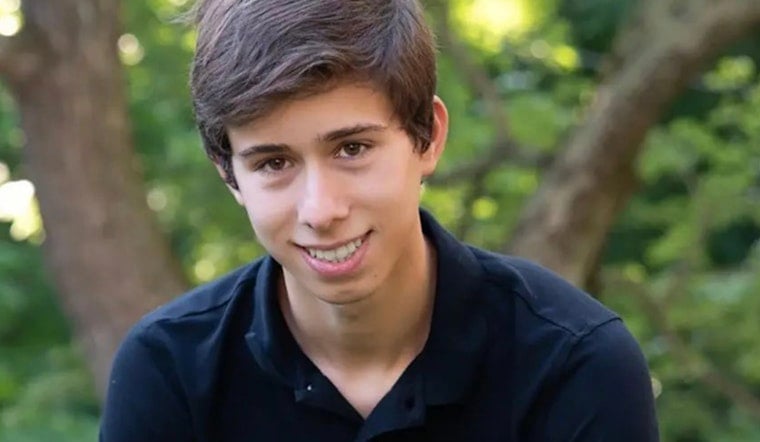
A Cornell student who replied "Not interested in working for a Jew" to a scheduling message from a New York City startup has watched a once-private exchange explode across social media, with a fundraiser on his behalf pulling in nearly $20,000. The blowup has triggered a university bias review, dueling accusations of doxxing and a fresh round of hand-wringing over how campuses and career platforms handle blatantly discriminatory speech.
Founder posts screenshot; Cornell opens review
According to The Cornell Daily Sun, VryfID co‑founder Gabe Einhorn posted a screenshot of the Handshake exchange on X on June 8 after his team followed up about a missed interview. He captioned the post "Sad world," and it quickly circulated. Cornell told The Sun it had reported the exchange to the Office of Civil Rights as a bias incident. The Sun identified the applicant as 19‑year‑old Austin Franco, an industrial and labor relations student who later posted comments defending his choice of words.
Fundraiser pulls in nearly $20K
Supporters launched a GiveSendGo campaign titled "Fund Austin Franco after jewish doxxing," which, according to GiveSendGo, has raised close to $20,000. The page lists Miles Routledge as the organizer and displays donations and comments that have helped fuel the controversy. The crowdfunding effort has become part of the broader spat, with some donors casting Franco as a casualty of online exposure while critics call the campaign itself a problem.
Campus context: antisemitism and policy
The exchange arrived amid ongoing scrutiny of Jewish student safety on campuses. The Anti‑Defamation League gave Cornell a "C" in its 2026 Campus Antisemitism Report Card, a grade the ADL says signals "corrections needed." According to the ADL, the report card evaluates how institutions address antisemitism through policy, programming and incident response. That backdrop has shaped how students, alumni and civic groups are reading this latest flare‑up.
Doxxing claims and public pushback
Franco has said he was identified after Einhorn's post and told reporters he faced "doxxing and intimidation," while Einhorn says he initially obscured the applicant's last name. The Cornell Daily Sun reports that Franco later defended his message on social media, writing in part that his "experiences with Jews have not been pleasant." The episode has drawn reactions from business figures and campus groups, with some voices demanding consequences for the remark and others warning about online shaming, doxxing and targeted fundraising.
Legal and administrative review
Cornell's Office of Civil Rights handles reports of prohibited bias and can investigate conduct that violates university policy, and the office and its complaint procedures are listed on the university site. Handshake, the career platform where the exchange took place, publishes terms of service and a support portal for flagged content that universities and employers can use when they believe platform rules were violated.
As the university reviews what happened, both sides are dealing with reputational fallout. The startup founders say they wanted to expose prejudice, while the student and his backers argue that public exposure went too far. The fundraiser remains active, and the debate over speech, consequences and how institutions enforce their own rules is not going anywhere anytime soon.





