

























































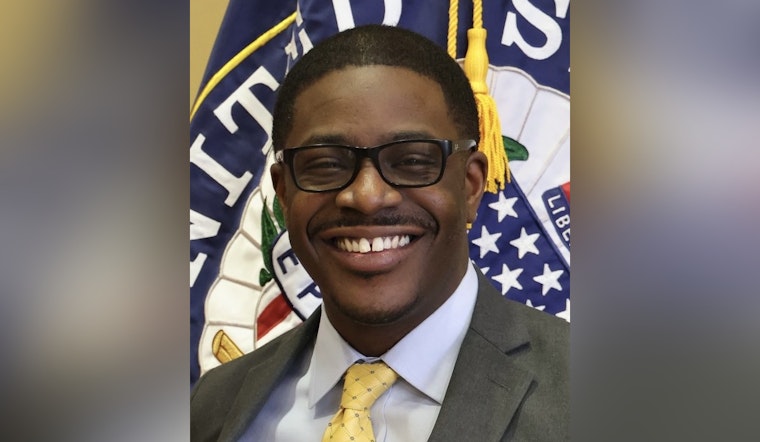
Milwaukee County Executive David Crowley went to Madison on Thursday with a blunt promise: if he becomes governor, he will push to scrap Wisconsin's Depression-era minimum markup law that sets a price floor on motor fuel. He is pitching the repeal as a cornerstone of a broader affordability push aimed at trimming everyday costs for working families across the state.
As reported by the Milwaukee Journal Sentinel, Crowley said he would make rolling back the minimum markup a top priority if he wins statewide office. The pledge gives his campaign a clear, pocketbook-focused promise on gas prices as the 2026 governor's race starts to take shape.
What the law does
Wisconsin's so-called minimum-markup rule lives in the Unfair Sales Act and dates back to the Great Depression. It bars retailers from selling certain items below cost and includes special requirements for motor fuel. The Department of Agriculture, Trade and Consumer Protection says the statute requires motor-fuel sellers to add at least 6% to their invoice price or 9.18% over the average wholesale cost, whichever is higher, according to the Wisconsin Department of Agriculture, Trade and Consumer Protection.
Legal fights and the policy debate
The law has not exactly been gathering dust. An oil company recently filed a lawsuit arguing the minimum markup violates businesses' rights and works like a hidden tax on consumers. That challenge triggered a review by the state Justice Department, according to AP reporting carried by NBC 26.
Policy groups and think tanks that want the law off the books say repeal could put downward pressure on pump prices, a case laid out by the Badger Institute. Supporters of the statute, including trade groups for independent fuel retailers, counter that it helps protect small stations from being crushed by below-cost pricing. WRN documented those association arguments in earlier court fights, where defenders repeatedly framed the rule as a lifeline for smaller operators.
Crowley's pitch and political hurdles
Crowley has folded repeal into his "Badger Basics" affordability platform rolled out this spring, according to campaign materials and coverage by WisPolitics. The message is simple: knock out an old price floor, try to give drivers a break.
Actually pulling it off is another story. Even with a governor backing repeal, unwinding a statute that has survived past legal challenges would take legislative action and almost certainly run into political resistance at the Capitol. That makes Crowley's promise an early test of whether his affordability agenda can attract buy-in beyond the campaign trail.
For voters, the choice is now squarely on the table: keep a Depression-era gas pricing rule, or scrap it in hopes of cheaper fill-ups. How lawmakers and the courts respond will decide whether this campaign talking point turns into a change in state law.





