

























































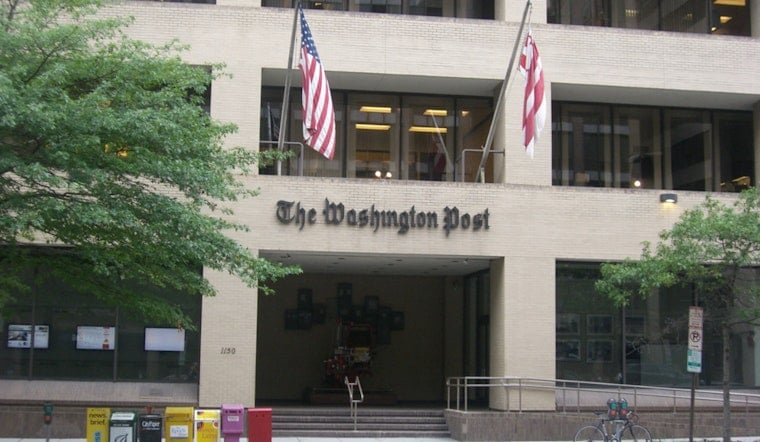
A class-action complaint in the Superior Court of the District of Columbia accuses The Washington Post of quietly using so-called "surveillance pricing" to tailor subscription offers and renewals around readers' personal data, while covertly harvesting subscriber information going back to the mid-2010s. The lawsuit asks the court to certify a class of current and former subscribers who say the paper turned their attention and engagement into leverage that helped squeeze out higher prices or less favorable terms.
According to the New York Post, the suit was brought by plaintiff Chelsea Blink and seeks certification of a nationwide class of subscribers. The outlet reports that the complaint uses language such as "covert data-harvesting" and alleges that some disclosures only appeared after a 2025 New York disclosure rule took effect.
What the complaint alleges
The filing claims the Post monitored how individual readers interacted with stories, then used those signals to fine-tune who saw which offers, discounts and renewal terms. In other words, every click and opened email allegedly became a data point in a pricing playbook. Plaintiffs say the data collection ran for years and fueled targeted pricing experiments that many subscribers would have rejected if they had understood how their information was being used.
Why regulators care
Surveillance pricing, which uses factors such as location, browsing history, purchase behavior and other personal data to set individualized prices, has already caught the eye of federal regulators. The Federal Trade Commission sent orders to eight companies in 2024 seeking details on these tools and their impact, according to the Federal Trade Commission.
Why readers and publishers should care
The Post is one of the largest digital news operations in the country, with industry counts pegging its digital subscriber base at roughly 2.5 million. That kind of scale means any disputed pricing system could reach a very large number of people. Subscription trackers and trade data place the Post among the top paywalled news publishers, which is why a nationwide class action could ripple across the industry. Recent subscriber estimates are detailed by Press Gazette.
Policy ripple
The case arrives as states and cities work to rein in algorithmic price discrimination and demand clearer disclosures about data-fueled pricing tests. Local coverage of those efforts, from California probes to New York City council proposals, shows lawmakers scrambling to keep up with fast-moving commerce tech, including a secretive surveillance pricing crackdown highlighted in California.
Legal stakes
If the judge grants class status, plaintiffs' lawyers say the potential exposure is no small matter. In reporting on the case, an attorney suggested damages "could run into the millions or billions," putting an eye-popping price tag on what might otherwise sound like a niche subscription gripe. The complaint brings claims under D.C. consumer-protection law, seeks restitution along with statutory remedies, and signals that discovery could drag internal pricing code and vendor contracts into the open.
Next steps hinge on early procedural calls in D.C. Superior Court. The judge will first decide whether to certify a class, and if that happens, discovery could map out how far the Post's pricing experiments went and who was affected. For now, the complaint itself, along with any response the Post files in court, will be the clearest window into the practices the lawsuit is challenging.





