

























































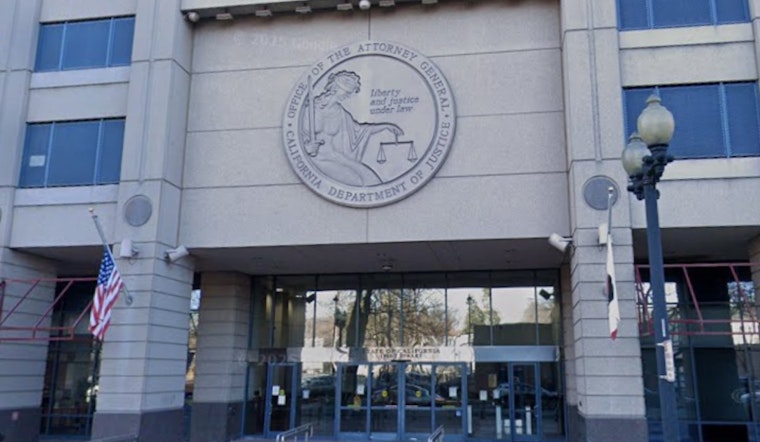
California Attorney General Rob Bonta has launched a statewide inquiry into so-called “surveillance pricing,” pressing major retailers, grocery platforms and hotel chains to explain whether they use consumers’ location, browsing history, demographics or other personal data to set individualized prices. Announced on Data Privacy Day, the sweep asks businesses with a significant online presence to turn over details about any pricing experiments, disclosure policies and steps taken to comply with competition and civil-rights laws. Bonta’s office said the practice can result in shoppers paying different amounts for the same item without a clear explanation.
In a press release, the California Attorney General's Office said it is sending informational letters to companies in the retail, grocery and hotel sectors requesting records on how they use shopping and internet browsing history, location data, demographics, inferred characteristics and other inputs to set prices. “Consumers have the right to understand how their personal information is being used,” Attorney General Bonta said, warning that practices beyond what consumers reasonably expect may violate the state’s privacy law. The department said the inquiry will help determine whether companies are being transparent and following CCPA/CPRA requirements.
Rob Bonta also highlighted the announcement on social media. His X post linked to the department’s statement and underscored concerns that surveillance pricing may undermine consumer trust and unfairly raise prices. The post, tagged from Oakland, directs readers to the official release and to the Attorney General’s complaint portal for consumers who believe they were targeted.
We’re investigating businesses’ use of surveillance pricing — companies using your personal data like location, browsing history, demographics and more in order to set individualized prices.
— Rob Bonta (@AGRobBonta) January 28, 2026
This practice may undermine consumer trust, unfairly raise prices, and depend on the…
How surveillance pricing actually works
Surveillance pricing is the practice of using a consumer’s personal information, including precise geolocation, browsing and purchase histories, device and behavioral signals and inferred attributes, to customize the price a particular shopper sees for a product or service. The Federal Trade Commission has documented how intermediaries and pricing tools combine those inputs to produce individualized price outputs and has published staff research explaining the data types involved. Reporting and investigations have described concrete examples. A joint Consumer Reports and Groundwork Collaborative study found AI-driven price experiments on grocery platforms that in some tests produced item-level differences of up to 23 percent between shoppers.
Why regulators are circling
Advocates and lawmakers say opaque price personalization can deepen affordability problems and create discriminatory outcomes if algorithms rely on sensitive data or biased inferences. In California, Assemblymember Chris Ward introduced AB 446 to prohibit businesses from using personal information to tailor individual prices, a legislative response to mounting reports and public pressure. Coverage in outlets such as The Markup has framed surveillance pricing as a potential modern-day redlining risk if it is left unregulated.
Legal implications
California’s privacy framework emphasizes a purpose-limitation and data-minimization approach. Businesses must use personal information only for purposes a consumer would reasonably expect unless additional notice or consent is obtained. The California Privacy Protection Agency guidance explains that secondary uses incompatible with the original collection purpose generally require notice or consent, which is a legal hook the Attorney General’s sweep will use to evaluate compliance under the CCPA/CPRA.
What consumers can do and what to watch next
Consumers who believe they have been shown different prices because of their personal data can file a complaint with the Attorney General’s office, the department notes in its announcement. The letters to companies will ask for policies, records of pricing experiments and disclosures, and Bonta’s office says it will use those responses to determine whether enforcement, settlements or other remedies are warranted.
The inquiry adds California to a broader push by federal and state officials to understand how algorithmic pricing tools are being deployed in the marketplace. Officials say to expect companies receiving letters, technical responses from vendors and, depending on what the department uncovers, follow-up enforcement actions or negotiated settlements in the months ahead.





