

























































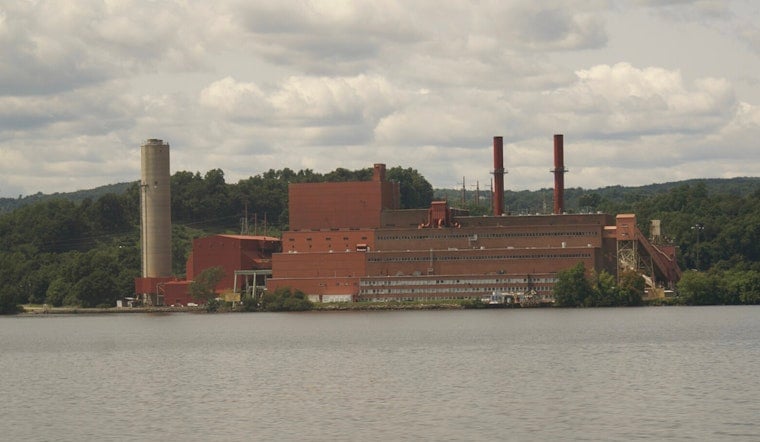
Danskammer Energy, the company behind the gas-fired Danskammer Generating Station on the Hudson River in Newburgh, has filed for Chapter 11 bankruptcy, putting roughly $13 million in debt under the eye of a federal judge at the exact moment grid operators say the plant may still be needed to keep the lights on in the lower Hudson Valley this summer. Environmental advocates and local officials are now watching both the court docket and the grid forecast to see how fast the plant can wind down without triggering reliability headaches.
According to the Times Union, the voluntary Chapter 11 petition, filed June 10, lists about $13 million in claims, including roughly $11.8 million owed to the New York Independent System Operator and about $764,000 in unpaid property taxes to Orange County. Case records from ElevenFlo show the matter was opened in the U.S. Bankruptcy Court for the District of Delaware and lists multiple Danskammer affiliates as debtors. The filing follows earlier notices that the company planned to deactivate the units later this year, according to the petition and reporting.
Why the plant still matters to the grid
As outlined in the New York Independent System Operator's Short-Term Assessment of Reliability (STAR), NYISO found a near-term reliability need tied to Danskammer's proposed retirement and has said the units cannot deactivate before Aug. 1 and could be required to remain in service into mid-January if planned projects do not demonstrate capability in time. NYISO modelers warned that shortfalls at generators in New York City and Long Island, along with limits on imports during peak conditions, contribute to the lower Hudson's vulnerability.
Independent analysis of the STAR shows the shortfall growing through the decade: by 2029 the lower Hudson could see deficits of roughly 121–383 megawatts for up to four hours, widening to about 202–639 megawatts for up to six hours in later projections, depending on project timelines and demand sensitivities, according to a summary by Luminary Energy. Those figures are a big part of why NYISO has warned that a rushed shutdown could worsen reliability risks during heat waves or other peak events.
Scenic Hudson, which fought Danskammer's earlier expansion plans, called the bankruptcy an opening for cleaner alternatives. “We hope this will be an opportunity to replace Danskammer's polluting power plant with a clean energy solution,” Stephen Ballentine, Scenic Hudson's director of environmental advocacy, said in an emailed statement to the Times Union. The group said it will keep an eye on any effort to revive fossil-fuel development at the site.
Legal and financial fallout
Chapter 11 gives Danskammer breathing room to keep operating while creditors line up, but it also hands the plant's future to a court-supervised process. Reporting and case summaries indicate NYISO is listed as the largest unsecured creditor, and the company may market assets or pursue a restructuring that balances operational needs with creditor recoveries, according to Law360 and court trackers. How those proceedings mesh with NYISO's reliability directives will determine whether the plant can be sold, kept running under contract, or retired on a managed schedule.
The filing hits as broader policy and market shifts complicate what might replace Danskammer. The Department of the Interior recently agreed to pay Invenergy $765 million to terminate four offshore wind leases, a move industry outlets say could influence long-term clean-energy capacity in the region, per Utility Dive. For grid planners and local officials, the immediate job is threading a difficult needle: keeping reliability intact through the coming summer while leaving room for longer-term decarbonization options.



