

























































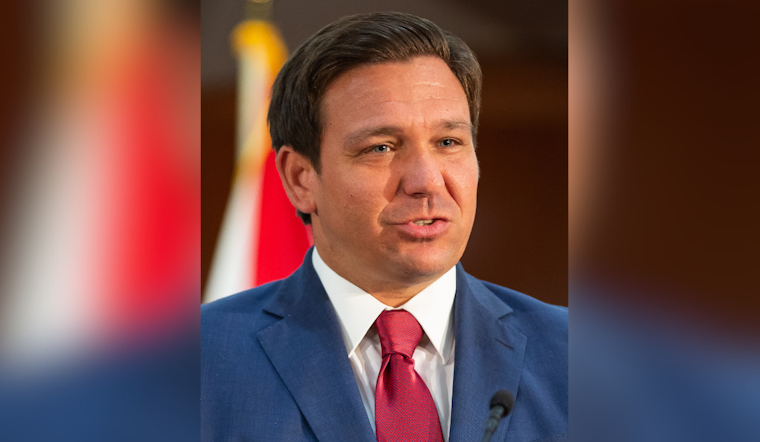
With the Atlantic hurricane season barely a day old, Gov. Ron DeSantis rolled into Orlando on Tuesday, June 2, 2026, and put Central Florida on notice: get your house in order now, not when a cone of uncertainty is sitting on top of you.
DeSantis convened state and local emergency officials for a briefing meant to nudge homeowners and businesses into action, urging residents to review evacuation routes, refresh disaster kits, and locate vital documents and medications before the tropics wake up. Officials hammered home a familiar but uncomfortable truth: a quiet forecast does not guarantee safety, and it only takes one storm to turn an otherwise calm year into a catastrophe.
As reported by News4JAX, the governor spoke to reporters and emergency management partners in a livestreamed Orlando briefing that centered on evacuation zones and shelter options statewide. Local crews and state agencies were on hand to walk people through available resources and specific local plans, timing the event to land right after the official June 1 start of the 2026 season.
NOAA Outlook And The Risk
NOAA's Climate Prediction Center published its May outlook, calling for 8 to 14 named storms, 3 to 6 hurricanes, and 1 to 3 major hurricanes for 2026, assigning a 55% chance of a below-normal season, according to NOAA. Forecasters stress that those seasonal totals do not say when storms might hit or where they might go. In other words, even a statistically calmer year can still deliver a direct hit to coastal or inland communities.
That uncertainty is exactly why state officials keep repeating the preparedness message. From their perspective, the long-range forecast is background noise compared with whether residents know their zone, know their route, and have supplies ready when the first watches and warnings light up phones and TV screens.
State Guidance: Know Your Zone, Build A Kit
The Florida Division of Emergency Management is pushing its familiar mantra: "Know Your Zone, Make A Plan and Stay Informed," and is recommending that households assemble a disaster kit stocked with at least seven days of essentials, according to a state press release. FDEM Executive Director Kevin Guthrie put it bluntly in that release, saying that "early action drives tangible results" and urging Floridians not to put off basic prep until a storm is already on the map.
The agency is also steering residents toward online tools that can look up evacuation zones and help people sign up for AlertFlorida emergency notifications. The pitch is simple and slightly unglamorous: a little homework now can mean less chaos during the mad scramble that happens once a storm threat becomes real.
Local Drills And Why It Matters
Central Florida emergency managers have been running tabletop and field exercises to stress test shelters, evacuation plans, and mass care operations, according to reporting by Spectrum News 13. The outlet highlighted neighborhoods such as Bonnie Brook in Orange County, where residents still remember roughly three feet of flooding during Hurricane Ian in 2022 and have been pushing for drainage improvements ever since.
Local officials say memories like those drive home why they talk as much about infrastructure as they do about sandbags and bottled water. Community outreach now, they argue, can translate into fewer rescues and less damage later when heavy rain, wind, and storm surge converge on the same map.
While the governor delivered his preparedness message, other state leaders were rolling out their own initiatives. Chief Financial Officer Blaise Ingoglia recently launched a hurricane preparedness program that leans on pamphlet distribution and neighborhood-level outreach, according to WDBO.





