

























































Detroit's public schools could broaden African-centered education far beyond the two programs that now run full time, Superintendent Nikolai Vitti told families and staff during a recent event at Marcus Garvey Academy. He framed the push as a way to help students better understand their history and culture while building confidence and academic pride. The idea is surfacing as city and school leaders try to improve transportation and after-school access so that specialized programs are actually reachable for families, not just impressive on paper.
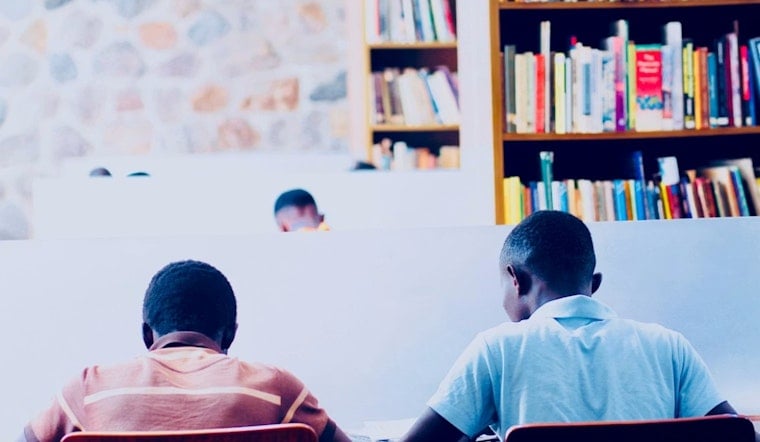
Vitti made the comments while cutting the ribbon on a new student library at Marcus Garvey Academy and said, "Students need to appreciate and understand their history, their roots," according to the Michigan Chronicle. He told the paper the district, where roughly 80% of students are Black, wants to offer a clearly defined African-centered option across more schools and plans to lean on professional development for teachers to do it well.
What African-centered schooling looks like
African-centered education places the history, literature and contributions of Africa and the African diaspora at the center of instruction across subjects, instead of limiting that work to a single month. Advocates and longtime Detroit educators say the approach ties lessons to students' lived experience and can improve engagement and outcomes, and the model has roots in the district that stretch back to the 1970s and 1980s, according to Chalkbeat.
Two neighborhood schools still using the model
Within the Detroit Public Schools Community District, Marcus Garvey Academy and Paul Robeson Malcolm X Academy are the only schools that currently run a full African-centered curriculum. Marcus Garvey's site highlights cultural awareness, the Seven Principles of Kwanzaa and community service as core elements, while Paul Robeson Malcolm X bills itself as one of the district's longstanding African-centered programs.
Transportation and access
Vitti said the district has been talking with Mayor Mary Sheffield about how transportation and after-school programming can expand access to specialized schools, a point reflected in the city's recent "Ride to Rise" initiative that lets students ride DDOT buses for free. City officials framed the April rollout as a tool to reduce absenteeism and connect students to after-school opportunities, and they said the program should free up school resources to invest in programming, per a City of Detroit release.
What’s next
Vitti, who became superintendent in 2017, described any expansion as exploratory and said the district will start with teacher training and pilots before making larger shifts, according to the Michigan Chronicle. For parents and community advocates, the combination of curriculum work and practical access, such as reliable transit and enough after-school slots, will determine whether African-centered options stay niche or become a broader choice within the district's school portfolio.





