

























































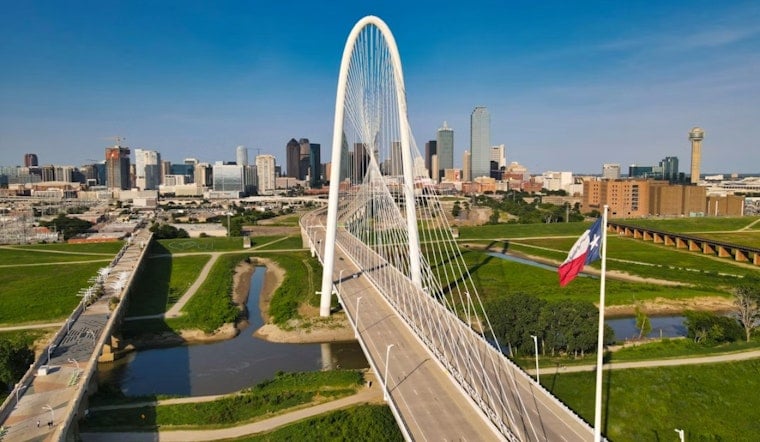
Dallas-Fort Worth is fully in its big-business era. The region landed 24 companies on Fortune's 2026 Fortune 500 list, two more than a year ago, and those firms reported nearly $1.1 trillion in combined revenue for fiscal 2025. Irving-based McKesson led the local pack with roughly $403.4 billion in sales, giving the metro one of the nation's few top 10 companies. The updated roster brings in fresh names and underscores how corporate headquarters continue to reshape North Texas' economy.
Two newcomers push DFW higher
Two new entrants, Primoris Services and Somnigroup International, helped push the metro from 22 Fortune 500 firms last year to 24 this year, according to CultureMap Dallas. Local economic leaders say the additions reflect both relocations and outsized revenue growth across manufacturing, healthcare, and services.
McKesson and the statewide picture
Fortune's official 2026 ranking places McKesson at No. 8 nationally with about $403.4 billion in 2025 revenue, making it the highest-ranked DFW firm on the list, per Fortune. Fortune also shows Texas leading the nation with 57 Fortune 500 headquarters, edging out California. Gov. Greg Abbott celebrated the milestone in a state press release, calling Texas "the undisputed headquarters of headquarters."
Where headquarters cluster and who is moving
Dallas itself claims the largest share of the region's headquarters, followed by Irving, Plano, and Fort Worth, according to reporting based on the Dallas Regional Chamber's data in Dallas Innovates. The list spans big names in energy, healthcare, aerospace, and professional services, from AT&T and American Airlines to Caterpillar and Texas Instruments. AT&T, one of DFW's highest-ranked companies, has announced plans to consolidate into a new 54-acre campus in Plano, per Axios and city documents.
Why this matters
Taken together, the two dozen Fortune 500 companies in DFW generated nearly $1.1 trillion in 2025 revenue, roughly equivalent to Poland's annual GDP, according to local reporting cited by CultureMap Dallas. That is not exactly pocket change, and it highlights the region's growing economic heft. Economic-development officials say the next year will show whether the region keeps drawing headquarters or whether competition from other metros starts to slow the momentum.





