

























































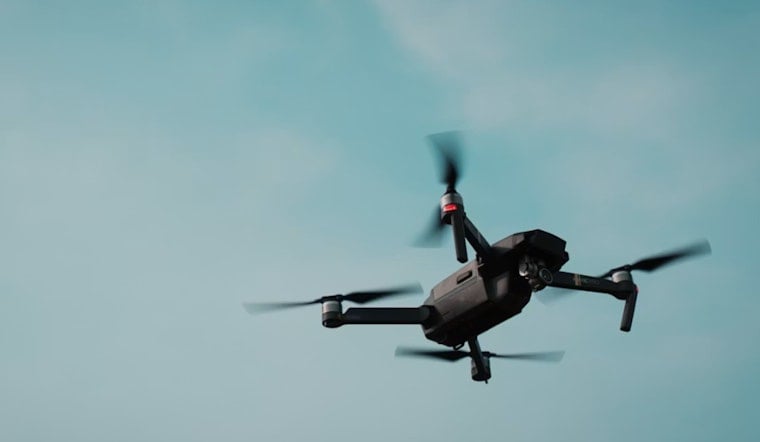
A U.S. F-15 pilot shot down over Iran in April told debriefers he saw dozens of Iranian drones hovering and sliding across the sky together in a tight formation that looked, to him, like a giant jellyfish just before he ejected. The account has raced through American intelligence circles, sparking an argument over whether Tehran has quietly deployed a coordinated drone swarm, whether the pilot misread a chaotic combat scene, or whether his concussion distorted what he saw.
The tale of the pilot's "jellyfish" encounter, which traces back to CNN's reporting, was summarized by The Baltimore Sun. According to that account, the pilot told investigators he saw "multiple drones interconnected and moving as one with smaller drones below the bigger drones like legs," while one source who heard the debrief described the scene as "real alien sh*t." The pilot also reportedly said the sky around him felt like a "minefield of drones."
How The Jet Went Down And The Rescue
The F-15E Strike Eagle was lost in early April, setting off a high-risk search and rescue that grabbed the pilot within hours and pulled out the weapons-systems officer after he evaded capture for more than a day, according to coverage of the operation. The Guardian and other outlets detailed a complex mission and reported that a supporting A-10 was also lost during the rescue, though that pilot ejected safely outside Iranian airspace. U.S. leaders publicly praised the extractions while investigators kept working to determine exactly how the F-15 was brought down.
What 'One-To-Many' Meshed Networking Looks Like
Experts say what the pilot described sounds like "one-to-many meshed networking" for drones, a setup in which a cluster of unmanned aircraft share data and move so tightly in sync that they function like a single airborne organism. That kind of formation could make small drones tougher to track, jam, or shoot down. Emma Bates, a drone-warfare specialist, warned in CNN's coverage that such a capability would force a painful rethink of defenses: "We will spend huge, huge dollars, like a lot of blood and treasure, protecting ourselves from something that can coordinate like that," CNN reported. If what the pilot saw was fully operational, analysts say it would mark a significant leap beyond the loose, mostly uncoordinated attack drones seen in recent wars.
Why Intelligence Officials Are Cautious
Inside the intelligence community, officials who sat in on the debrief have reportedly split over how literally to take the pilot's story and how sharply he could recall the engagement. The pilot suffered a concussion in the crash and had previously been shot down in a friendly-fire incident earlier in the war, The Baltimore Sun reports. Investigators are also considering more grounded possibilities, including that the pilot stumbled into a test or demonstration of Iranian hardware, or that atmospheric or optical effects scrambled his view of the drones, as the broader inquiry into the shoot-down continues.
Bigger Strategic Stakes
The stakes go well beyond a single downed jet. U.S. reporting and officials have pointed to a trail of outside help that may have aided Tehran in sharpening its drone designs and targeting systems, including links to foreign intelligence and technical actors, according to The Washington Post. Whether the pilot truly witnessed a new, tightly networked capability or simply a confusing tangle of aircraft in combat, analysts say the episode underlines how quickly U.S. and allied air defenses are being forced to adapt to swarms of small, interconnected threats.
The Pentagon and U.S. intelligence agencies declined to publicly confirm the pilot's account when asked, and U.S. Central Command along with the Office of the Director of National Intelligence did not respond to CNN, according to that reporting. For now, the "jellyfish" swirl of drones exists mostly as a vivid image from one harrowing mission, a reminder that intelligence, defense officials, and policymakers still have to separate what was actually seen from what was technically possible and decide how fast to adjust course.





