

























































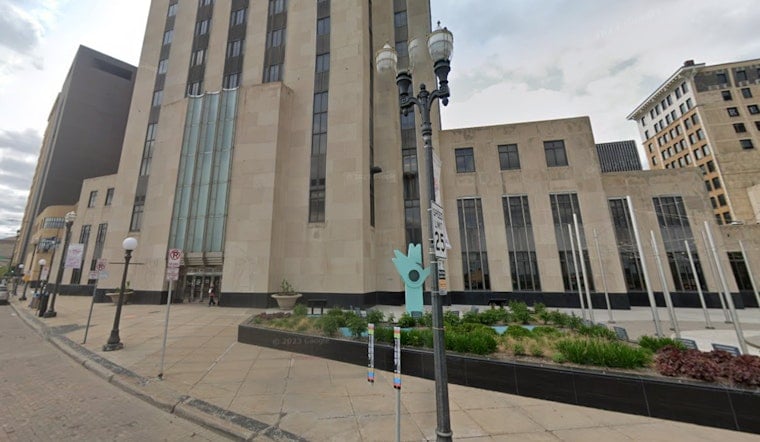
Downtown St. Paul could be staring down its next big office-to-apartment flip as Bigos Management asks the city for roughly $5 million in tax-increment financing to turn most of the office floors at Cray (Galtier) Plaza into 166 market-rate units. The makeover would rework the block-long complex at 175 5th St. E., with the Housing and Redevelopment Authority and City Council expected to take up the request after a June 10 public hearing. If they sign off, construction could kick off later in June, with a target completion in fall 2027.
Plan and the money
Under the proposed TIF district, the city would issue a 26-year pay-as-you-go note pledging $4,560,000 along with a temporary, forgivable TIF loan of up to $650,000. Together, the district is projected to generate about $12.6 million in tax increment over its lifespan. The plan breaks that out as an estimated $315,204 a year flowing back to the developer, $48,483 for district administration, and at least $121,232 annually pooled for off-site affordable housing. After reviewing the developer's pro forma, municipal advisor Ehlers concluded the project “isn't feasible without the HRA Assistance outlined,” according to the City of Saint Paul.
What the developer wants to build
Bigos, which bought the commercial portion of the plaza in 2019 and already manages hundreds of apartments downtown, wants to convert the seven-story office block into 29 studios, 82 one-bedrooms and 55 two-bedrooms while keeping the ground-floor retail and the existing parking ramp. The development budget clocks in at about $56.3 million, including roughly $13.4 million in historic tax-credit equity, with the balance coming from private debt and equity, according to details and interviews reported by the Star Tribune.
Who pays and who benefits
The city’s presentation lays out initial rent estimates of $1,125 to $1,369 for studios, $1,433 to $1,704 for one-bedrooms, and $1,913 to $2,800 for two-bedrooms. City staff say those ranges would generally be affordable to households earning between 60% and 100% of Area Median Income. The TIF plan also tacks on community-benefit requirements, including prevailing-wage rules and vendor-outreach provisions, and builds in a lookback so the HRA can verify the “but-for” case after the project is done, according to the City of Saint Paul.
Public reaction and next steps
The TIF request is slated for a public hearing and likely votes by the HRA and City Council the week of June 10, and city staff say the financing gap needs to be filled for the conversion to move forward. Supporters argue that deals like this help soak up empty office space and put more residents on downtown sidewalks, while critics question steering TIF dollars to market-rate housing instead of projects with deeper affordability. Early coverage of the city request was reported by the Pioneer Press.
Why it matters
“Candidly, this is still not a market-rate return,” Bigos senior manager Adam Neumann said, highlighting the thin margins that make public help attractive for turning older office space into housing, according to the reporting. City staff say at least a quarter of the captured tax increment, an estimated $3.75 million over the life of the district, would be pooled for off-site affordable housing if the TIF district is approved.
Neighbors and housing advocates will get their formal say at the June 10 hearing before the HRA takes action. If the agreements clear that hurdle, Bigos expects to start construction later in June and open the building in fall 2027. City staff contacts and the full presentation are on file in the public record for anyone wanting to dig through the numbers line by line.





