

























































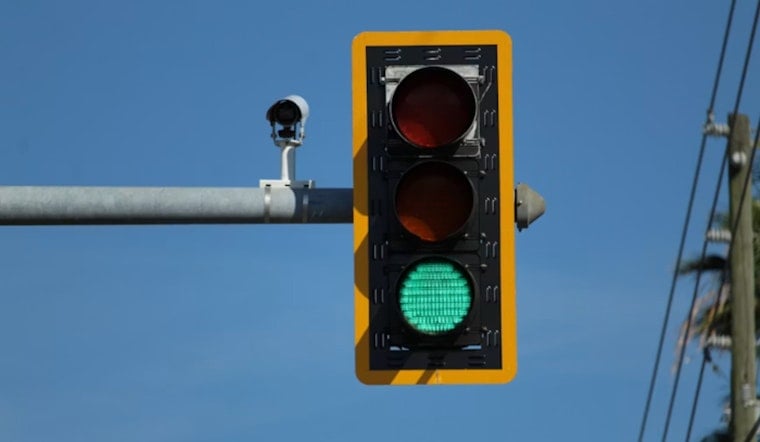
Durham Region drivers could soon be seeing double at some of the area’s busiest intersections. Regional staff are urging councillors to expand the red-light camera program from 12 camera sites to as many as 24, targeting locations where right-angle crashes remain a stubborn problem. The proposal is working its way through committee and could land at Regional Council for a final decision in the coming months.
The original 12-site network was rolled out under the Region’s Vision Zero work, zeroing in on intersections with a history of right-angle, or T-bone, collisions. The Region of Durham explains that each camera site captures two photos to document a red-light violation, with images sent to a centralized processing centre run by the City of Toronto. Staff peg operating costs at about $65,000 per site per year. According to the Region, the cameras are meant to be a safety countermeasure, not a revenue generator.
Staff analysis found sharp drop in angle crashes
A staff before-and-after analysis, first reported by Durham Post, found that angle-type collisions at intersections with cameras dropped by roughly 48 percent after installation. At the same time, rear-end collisions at those sites increased by about 32 percent. The Post reports that the net result was a decline in fatal and injury collisions at the monitored intersections, which is the central safety case behind staff’s push to expand the program.
The Post also notes that the Region’s processing contract with Jenoptik is set to expire on December 31, and staff are looking at whether it makes sense to join Toronto’s upcoming procurement process for a new vendor.
Why the Region is pushing cameras
The red-light camera push is one piece of Durham’s broader Strategic Road Safety Action Plan, which treats intersections as the single largest emphasis area and leans heavily on data-driven countermeasures. The Durham Vision Zero SRSAP shows the Region averaged about 1,000 fatal-and-injury collisions at intersections in its baseline years. Staff argue that those numbers justify using a mix of engineering changes, public education and enforcement tools, with red-light cameras sitting on the enforcement side of the toolbox.
What happens next
According to Durham Post, the Works Committee has recommended that council delegate authority to officials to enter into agreements that keep the red-light camera program running on an interim basis while Toronto completes its vendor procurement. Regional staff told the committee they will bring a follow-up report to Regional Council seeking approval to participate in Toronto’s contract, including an option to expand Durham’s network to a maximum of 24 cameras.
Supporters say an expansion will further cut the most dangerous intersection crashes. Critics point to the rise in rear-end collisions and the roughly $65,000 per-site annual operating cost. Councillors will now have to sift through the collision data, the price tag and the procurement details before deciding whether to lock in a new vendor and double the size of the camera network.



