

























































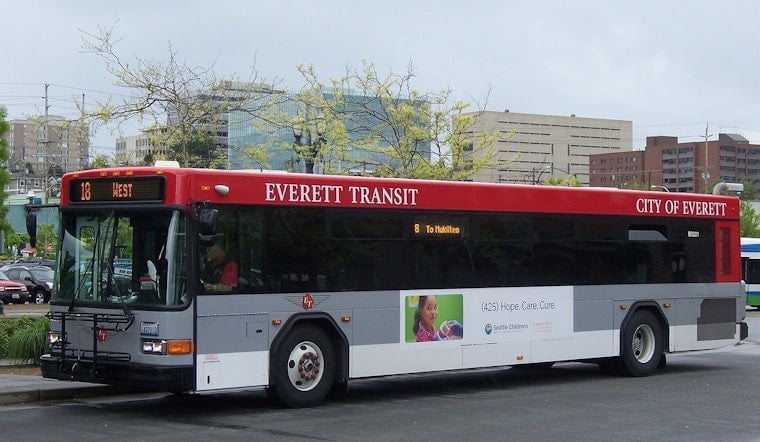
Everett leaders are back at the table on a long-debated transit shakeup, reviving formal talks to fold city-run Everett Transit into countywide Community Transit. Officials say a merger could mean more frequent buses, later evening trips and tighter regional connections, but there is a catch: it would bump the city’s transit sales tax by 0.6 percentage points. That prospect is fueling fresh arguments over service gains, worker safeguards and whether voters or elected officials should have the final say.
Mayor Cassie Franklin and Community Transit CEO Ric Ilgenfritz say they plan to draft an interlocal agreement to annex Everett into Community Transit and bring it to the Everett City Council and the Community Transit Board this fall, according to a City of Everett news release. Franklin has argued that consolidation "will make it easier for people to travel," and officials say the transition would roll out over about a year while planners work to keep riders from losing service during the changeover.
If the interlocal agreement goes through, Community Transit’s 1.2% local transit levy would replace Everett’s current 0.6% rate. The city notes that would nudge Everett’s total sales tax from roughly 9.9% to about 10.5%, or an extra six cents on a $10 taxable purchase, as outlined in its transit FAQ. City figures cited by Lynnwood Times estimate the move could generate at least $29 million a year for transit starting in 2027.
What Would Change On The Street
Supporters point to a 2023 consolidation analysis that sketched out how the extra money might actually show up in riders’ lives. Under a modeled consolidation scenario, the number of Everett routes running at least every 30 minutes could jump from three today to about 14. Planners also assumed up to 15 routes would run until 9 p.m. or later. Those findings appear in the city’s More Transit Together materials and were highlighted by The Urbanist, which notes the scenario would let Community Transit weave Everett routes into its Swift bus rapid transit lines and local network, plus add microtransit zones for shorter neighborhood trips.
Union Pushback And Labor Protections
The smoother buses run on paper, the rougher the politics may get. Amalgamated Transit Union Local 883, which represents many of Everett’s drivers and maintenance workers, has urged the council not to skip the ballot box. Union president Steve Oss told Lynnwood Times that residents should have the right to vote on a tax increase of this size.
Local coverage in HeraldNet and other outlets has also underscored that federal labor protections tied to Federal Transit Administration funding, known as Section 13(c), will shape any handoff. Those rules are designed to preserve wages and benefits for employees affected by major service changes.
Paratransit Riders And Jobs
City materials stress that paratransit riders should not see the services they depend on disappear under annexation. Officials say no current paratransit employees will be laid off as a direct result of the merger. Differences in eligibility rules and fares between the two agencies are expected to be hammered out at the negotiating table, and planners say specific staffing plans and how Everett is compensated for its transit assets will be spelled out in the interlocal agreement.
Why The Timing Is Changing Now
The political path for a faster annexation opened up with a 2025 state transportation bill that created a new interlocal annexation option for transit agencies. The measure is summarized in the Washington State Legislature bill documents for SB 5801.
Local leaders say timing matters because Sound Transit is shuffling timelines for its light rail buildout. The agency currently lists a roughly 2037–2041 window for opening phases of the Everett Link Extension, according to Sound Transit. Everett officials cite that long runway as another reason to push for a single, better-funded local bus network that can connect efficiently to future trains.
What Happens Next
City staff expect to draft the interlocal agreement this summer, with the City Council and Community Transit Board holding public hearings and votes in the fall, per the City of Everett release. If both bodies sign off on the deal, Community Transit would add Everett representation to its board and begin joint planning and outreach. Community Transit’s planning pages describe an extended process to engage riders as service integration details and timelines are finalized.
Residents who want to keep tabs on the debate can dig into the city’s consolidation materials and watch upcoming council and board agendas this fall, when formal public hearings are expected. Officials say specifics on routes, span of service and fares will ultimately be shaped by the interlocal agreement and the public feedback that follows.



