

























































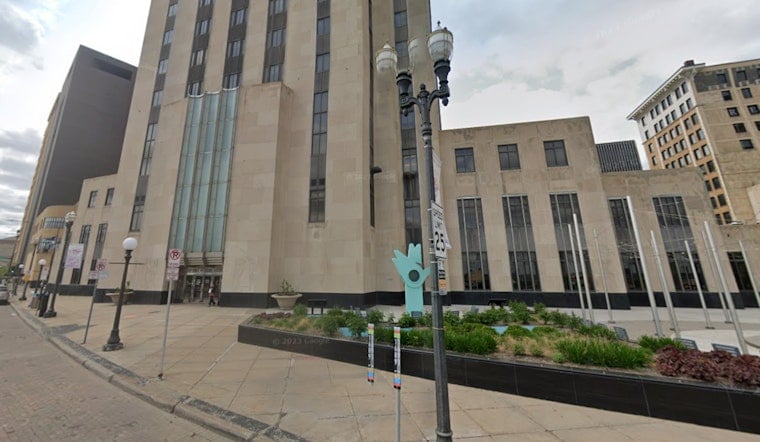
St. Paul’s housing market is in the middle of a slow-motion shake-up. New zoning rules and a closely watched rent cap have nudged the city toward more so-called “missing-middle” homes, yet both developers and renters are still wrestling with the fallout. The Federal Reserve Bank of Minneapolis’ new Saint Paul Housing Dashboard lays out the data, revealing pockets of progress alongside stubborn affordability problems.
The Federal Reserve Bank of Minneapolis rolled out the Saint Paul Housing Dashboard on June 3, 2026, as an interactive tool that pulls together more than 30 indicators from federal and local sources. According to the Federal Reserve Bank of Minneapolis, the dashboard lets users compare St. Paul with nearby cities and will be updated at least once a year to track how policy choices and market forces are reshaping housing.
Zoning changes opened the door - slowly
In 2023, city leaders rewrote large sections of the residential code, creating H1 and H2 districts that allow duplexes, triplexes, and in many cases four or five units on a single lot. The ordinance, adopted as part of the 1-4 (now 1-6) Unit Housing Study, was meant to expand neighborhood-scale options near transit and make family-friendly homes easier to build, according to City of Saint Paul planning materials.
Permits surged then cooled
Permit data in the dashboard show a boom in multifamily construction between 2019 and 2021, when more than 2,000 new units were permitted in some peak years. Then the music slowed: building permits dropped to 404 in 2024 and 357 in 2025. The dashboard also notes that St. Paul permitted 76 units in two-to-four-unit buildings in the year after the zoning reform, roughly equal to what had been built in that format over the previous decade. Together, those figures underline that new rules by themselves have not triggered an automatic building spree, according to the Federal Reserve Bank of Minneapolis.
Rent stabilization still shapes investor decisions
Voters signed off on a rent-stabilization measure in November 2021 that generally caps most annual rent increases at 3 percent. The City Council then adopted rules and a series of amendments to clarify vacancy decontrol and exemptions. City rent materials note that the ordinance took effect in 2022 and was amended in 2023 and again in 2025 to exempt some affordable projects and certain new construction from coverage. For background on the council debates and related tenant protections, see the City of Saint Paul and prior local coverage at Saint Paul tenant protections.
Rents dropped but burdens linger
After adjusting for inflation, typical St. Paul rents peaked around $1,618 in October 2020 and then slipped roughly 10 percent to about $1,456 by March 2026, while downtown vacancy eased from about 13.5 percent in 2020 to 9 percent in 2025, according to HousingLink. That snapshot of the market lines up with the broader story city and federal data are telling in the new dashboard.
Coverage that pulls together the dashboard’s findings also points to a 36 percent drop in median apartment sales prices and a rise in annual property taxes on a median single-family home, figures compiled in local reporting on the tool. See FOX 9 for a local write-up of those shifts.
What to watch next
For city officials, developers and tenant advocates, the dashboard offers a shared scoreboard to test which moves actually add homes people can afford. The key metrics to watch: building permits, vacancy rates and whether carve-outs from rent stabilization actually change how private capital treats new market-rate projects. Over the next few years, the data should help clarify which local levers such as zoning tweaks, subsidies or process reforms do the most to turn policy on paper into real-world homes without making affordability worse.



