

























































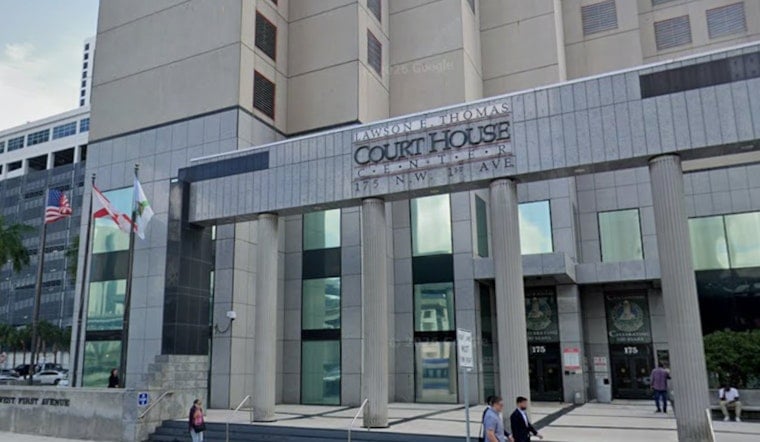
An 11th U.S. Circuit Court of Appeals panel sided with the Pasco County Tax Collector last Tuesday, keeping in place the office's ban on video recording inside customer areas after a 2023 run-in in Dade City with Jacksonville-area YouTuber Lana Patrick, who refused to stop filming and was trespassed.
According to Justia Dockets & Filings, the court issued its opinion in case No. 25-14234, affirming a lower-court dismissal and effectively leaving the tax collector's internal recording policy intact. The decision, filed last Tuesday, wraps up litigation that began after the Dade City encounter.
What the Court Said
The appeals panel, writing for a three-judge court, described tax-collector lobbies as a limited public forum and said reasonable, viewpoint-neutral rules can restrict certain expressive conduct inside government offices. As explained by The Volokh Conspiracy at Reason, the opinion found that the recording policy served legitimate interests such as shielding sensitive documents from cameras and preventing disruptions for employees working with customers.
Pasco's Stance
Pasco Tax Collector Mike Fasano told reporters that privacy concerns involving items like birth certificates, driver's licenses and social security cards prompted the office to adopt the no-recording rule, and he said the case cost taxpayers roughly $16,000 in legal fees. Tampa Bay 28 reported Fasano's comments and noted that the plaintiff, Lana Patrick, is a Jacksonville-area creator who posts videos of government encounters to a large online audience.
Why It Matters
The panel's ruling comes from the 11th Circuit, which handles appeals from Alabama, Florida and Georgia, and could be used by other local agencies when they draw lines between sidewalks and interior offices. U.S. Court of Appeals for the Eleventh Circuit materials confirm the court's jurisdiction, and legal commentary suggests the opinion tracks recent decisions that emphasize operational privacy inside government buildings. The Volokh Conspiracy at Reason details how courts weigh forum type and reasonableness when analyzing recording rules.
Patrick and other so-called First Amendment auditors argue that on-the-spot recording promotes transparency, but courts have been split on how far that right goes. As Tampa Bay 28 notes, Patrick has filed several federal civil-rights suits tied to similar encounters, and the latest ruling could narrow the options available to other auditors who want to challenge access rules in the region.




