

























































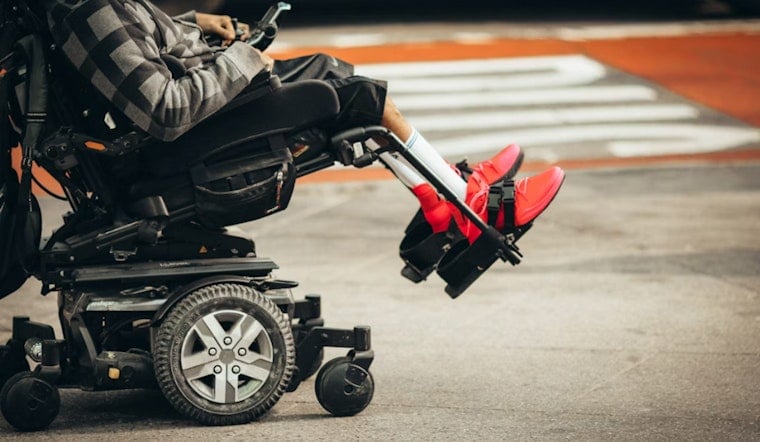
Air travelers with disabilities are finally getting some long-promised backup. A landmark federal rule designed to improve air travel for passengers who use wheelchairs hits a key compliance date on June 17, 2026. The changes include new hands-on training requirements for airline workers who assist wheelchair users and stronger protections when mobility devices are damaged or delayed. Advocates say the shift could make routine trips through busy terminals safer and more dignified for millions of travelers, after years of complaints about lost, damaged or improperly handled wheelchairs.
What the rule requires
Under the Department of Transportation's final rule, airlines must ensure that employees and contractors who physically assist passengers with mobility disabilities receive in-depth, hands-on training no later than June 17, 2026, according to the Department of Transportation. The December 2024 rule also sets deadlines for getting delayed wheelchairs back to passengers, requires carriers to notify travelers when a mobility device is loaded or unloaded, and creates new repair, replacement and loaner options in certain situations.
What travelers will notice
At crowded airports, travelers should see better trained staff and clearer updates on the status of checked mobility devices, as reported by FOX 7 Austin. Maria Town of the American Association of People with Disabilities and Tom Wheaton of Paralyzed Veterans of America have explained in local coverage that the new requirements are meant to cut down on rough transfers between chairs and aircraft seats and to speed up the return of damaged or delayed wheelchairs.
Advocates say it is long overdue
Disability rights groups have pushed for tougher federal standards for years. In a press release, the American Association of People with Disabilities praised the rule as an important step toward safer and more dignified travel, while warning that training alone is not enough. The group argues that it must be paired with better pay and stronger oversight for contractor workforces in order to be fully effective, according to the American Association of People with Disabilities.
Legal cloud over implementation
Not everyone accepts the rule as written. Major airlines and their trade group challenged parts of the regulation in court in early 2025, and industry pushback triggered additional review by the agency, as reported by Runway Girl Network. That review led the Department of Transportation to exercise enforcement discretion on a handful of contested provisions while it considers revisions, so some remedies may still be under legal or regulatory review even as the training deadlines arrive.
What travelers should do
Passengers who rely on mobility devices are advised to call ahead to confirm assistance, reconfirm arrangements at check in, and photograph any damage to a device before leaving the airport. If an airline does not resolve a mishandled wheelchair, travelers can file a complaint with the Department of Transportation’s Aviation Consumer Protection Division. The agency maintains an online complaint form and guidance for consumers. The Department of Transportation also advises passengers to keep records of all communications and any receipts when seeking repair or reimbursement.





