

























































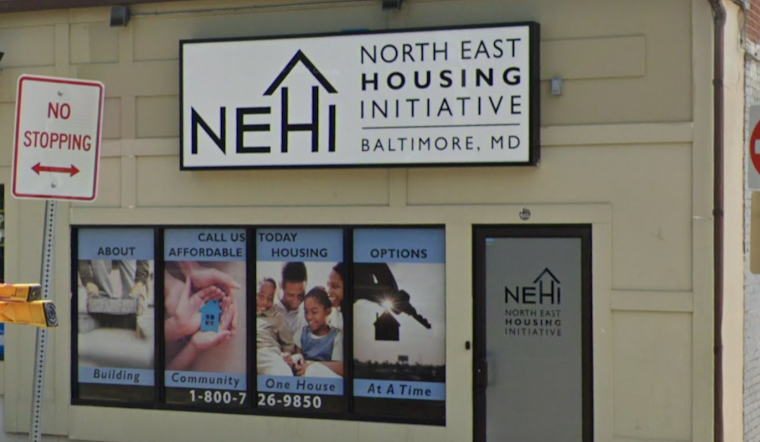
A once-promising Baltimore community land trust that turned vacant rowhouses into permanently affordable homes is now buckling under lawsuits, frozen assets, and a federal inquiry. The North East Housing Initiative has built roughly 40 homes, but in recent months has seen bank accounts shuttered, creditors press claims, all seven full-time staff laid off, and city grant funding paused. Executive director Garrick Good rejects allegations of wrongdoing and says the group is tightening controls, yet a tangle of civil suits, tax liens and a criminal probe has left the organization scrambling to stabilize operations. The turmoil is raising fresh questions about oversight and the risks of rapid nonprofit growth in the affordable housing world.
As reported by The Banner, NEHI received about $2.2 million in anonymous cryptocurrency donations in mid 2025, and federal authorities later froze roughly $1.6 million after serving a subpoena tied to an FBI inquiry. The Banner’s reporting also describes a string of lender actions, federal tax liens and other lawsuits, and notes that several banks have restricted or closed accounts in response. The nonprofit laid off its seven full time employees in May 2026 and now operates with a small number of contractors while city officials have paused grants to the group on the advice of legal counsel. Those strains have left homeowners, funders, and neighborhood partners wondering whether the community land trust model that NEHI helped champion can absorb this kind of hit.
Public tax filings reflect just how fast the organization grew before the crash. IRS Form 990 data show revenues rising to more than $3.1 million in 2022 and total assets reported above $6 million, a sharp jump from a much smaller budget only a few years earlier. Data from ProPublica list those filings and details NEHI’s rapid expansion in scale. The group’s own site describes NEHI as a community land trust that acquires, rehabs and sells homes under shared equity ground leases, capping resale prices to preserve affordability over time. That structure is a big part of why the organization attracted both public grants and private support.
Lenders and Lawsuits Pile Up
Court pleadings and creditor filings outline a long list of financial pressures. PNC filed a breach of contract complaint in April 2025 alleging NEHI failed to make payments totaling more than $1.3 million, and later obtained a consent judgment in February 2026. JPMorgan Chase pursued a confessed judgment action after a default on a line of credit in 2024. The Banner’s review of records also documents federal and state tax liens, including an IRS lien last September, and a separate lawsuit filed in January 2026 by the National Housing Trust Community Development Fund alleging roughly $630,000 owed. Plaintiffs point to additional red flags, including a denied check for $464,187 in November 2024 and the January 2025 closure of an account at National Cooperative Bank, a pattern that has sharply constricted NEHI’s cash flow and options, according to The Banner.
Legal Heat on Leadership
Good has pushed back publicly and told The Banner, “It’s blown up. It’s really gotten way bigger than it should have,” insisting neither NEHI nor its staff are the targets of the federal probe. Prosecutors in April 2026 charged Good with two counts of writing bad checks, a move that was reported to have been dropped in June 2026 while law enforcement continues its review. Federal officials and the FBI declined to comment to reporters, and the mix of civil claims, potential criminal exposures, and frozen assets raises complicated questions about how to protect homeowners while creditors press their claims. For board members and funders, the legal cloud increases pressure to decide whether to seek third party oversight, a receivership or a negotiated workout to preserve the homes NEHI controls.
What It Means for Homeowners and Baltimore’s Housing Push
City grant records show the Department of Housing and Community Development approved awards to support NEHI projects, including a January 2023 Board of Estimates grant for $750,000 tied to NEHI work in Belair Edison. Public filings and reporting indicate the group has received multiple city awards since 2023. The Banner’s reporting and public grant documents together suggest NEHI has been a major local recipient of public support, which creates political stakes for city leaders who have paused further payments while legal and federal inquiries proceed. Homeowners in NEHI’s shared equity homes say they want assurances that ground lease terms and resale limits will be honored even if the nonprofit is forced into restructuring. Advocates argue the immediate priority is shielding residents from disruption while formal processes sort out debts and allegations.
What Comes Next
City officials, NEHI’s board and private funders now face a narrow set of near term choices: press for a negotiated restructuring that preserves the homes, appoint an independent fiscal monitor to oversee operations, or seek court supervised remedies that prioritize stability for homeowners. National land trust advocates warn that the collapse of a high profile community land trust can chill funding for other trusts and make lenders and governments more cautious about supporting shared equity models. For now, NEHI homeowners, neighborhood partners and policymakers will be watching court filings, board decisions and any further federal action closely to see whether the organization can be stabilized or will require a formal intervention to protect the homes it was created to preserve.





