

























































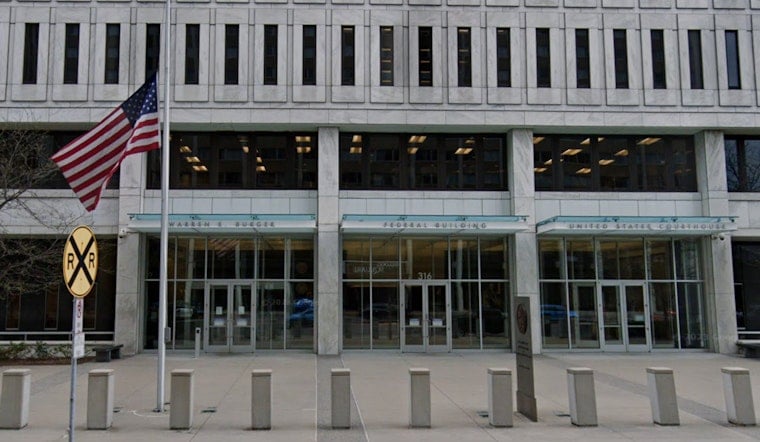
The U.S. Department of Justice has taken Minnesota to federal court, asking a judge to force the state to turn over five years of food stamp applicant records that federal officials say they have been requesting for months without success. Minnesota is listed alongside Kentucky, Michigan and Pennsylvania in the complaint, while the Justice Department says 28 other jurisdictions have already handed over the same data. The lawsuit is the latest volley in a long-running fight over who controls sensitive benefits records and how far Washington can go in the name of cracking down on alleged abuse of the Supplemental Nutrition Assistance Program, or SNAP.
What the DOJ is asking for
According to the Department of Justice, the suits seek court orders requiring state SNAP agencies to provide their last five years of applicant data so the U.S. Department of Agriculture can look for what it calls "ongoing, material waste, fraud and abuse." The department says USDA renewed its records request as recently as May and that information from the 28 states that did cooperate helped reveal billions of dollars in improper payments. Justice Department officials, including Acting Attorney General Todd Blanche, have framed the legal push as a straightforward move to safeguard taxpayer money.
Minnesota pushes back
Minnesota is not taking that request lying down. The state has launched its own legal counteroffensive, arguing that USDA has overstepped its authority and that the demand for bulk data could hurt the very people the program is supposed to help. As described by the Minnesota Attorney General's Office, roughly 440,000 Minnesotans use SNAP each month. State officials warn that forced mass recertifications or sweeping data pulls could trigger wrongful benefit terminations and overwhelm an already stretched bureaucracy. Attorney General Keith Ellison, joined by a coalition of other state attorneys general, has also argued in court that the federal demands collide with statutory limits and privacy protections.
Federal investigators point to trafficking and data gaps
Federal watchdogs say they see serious red flags in the numbers they already have and argue that missing data from holdout states is tying their hands. The USDA Office of Inspector General has been investigating the integrity of SNAP data and has issued subpoenas to several states as part of that probe, according to the USDA Office of Inspector General. Inspectors report that information from cooperating states suggests large volumes of improper payments. In a separate April enforcement effort dubbed "Operation Cold SNAP," investigators executed search warrants at more than 20 Twin Cities retailers for alleged trafficking of SNAP benefits. Federal officials point to those operations as proof that they need full access to state records to follow the money.
Legal stakes and the court calendar
The courtroom backdrop is already complicated. Earlier this month, a federal judge granted a preliminary injunction that temporarily blocked a set of new USDA funding conditions in a lawsuit brought by 20 states, The Associated Press reported. That ruling signals that judges will be weighing the federal government’s interest in policing fraud against limits on federal power and privacy safeguards for low-income households. Legal observers say the new Justice Department lawsuits could trigger fast-moving battles over emergency orders and data-security rules if judges press for quick action.
What happens next
The Justice Department says it is asking for immediate injunctions and plans to move quickly in federal court to force Minnesota and the other named states to comply. Local outlets report that state officials have already been prodded for their reactions. KSTP noted it reached out to the Minnesota Attorney General’s Office and the Minnesota Department of Children, Youth and Families for comment. Expect a flurry of scheduling orders, briefs and emergency motions in the days ahead as both sides argue over who gets to see the records, how they can be used and how securely they must be handled.



