

























































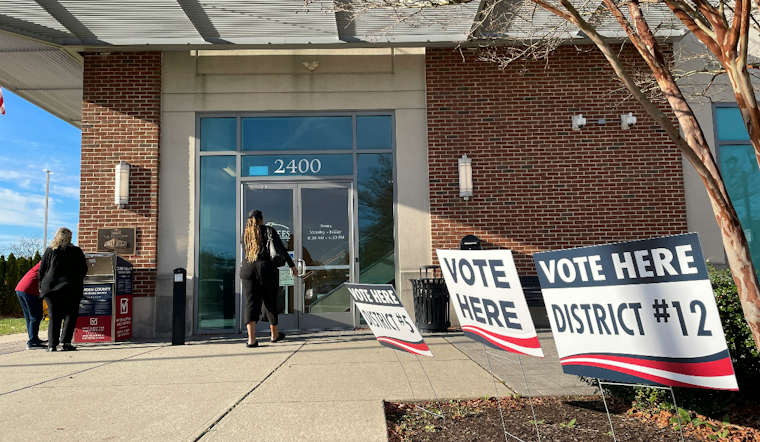
Maryland's entire voter registration list is at the center of a growing tug-of-war in federal court in Baltimore, where a judge is now deciding whether the state must hand over its full statewide file to the U.S. Department of Justice. The request would give federal investigators access to names, addresses, and other identifying details tied to roughly 4.2 million Maryland registrations, putting state election officials on a direct collision course with the Justice Department. Maryland officials argue the demand is too sweeping and could expose sensitive voter information without a clearly justified need.
According to WBAL NewsRadio, Justice Department attorneys told the judge they want the file as part of an election-related investigation to check whether ineligible voters are on the rolls. Lawyers for the State Board of Elections countered that the federal government has not laid out a concrete factual basis for such a broad grab. State Elections Administrator Jared DeMarinis told WBAL that he intends to defend Marylanders' privacy "until they articulate" why an unredacted list is needed.
What the DOJ Is Asking For
The department's civil complaint, filed Dec. 1, 2025, says the attorney general demanded "an electronic copy of Maryland’s complete and current VRL," including the registrant’s full name, date of birth, residential address, and either a driver’s license number or the last four digits of a Social Security number, according to the U.S. Department of Justice. Federal lawyers say the request fits within their authority under the Civil Rights Act, the National Voter Registration Act (NVRA), and the Help America Vote Act (HAVA), which they cite as tools to check whether states are properly maintaining their voter rolls.
Where This Fits Nationally
Maryland's standoff with the Justice Department is part of a larger national push. The Brennan Center has tracked these demands and reports that the department has sued roughly 30 states and Washington, D.C., seeking comparable voter files for similar compliance reviews. That same tracking highlights recurring worries from critics who say collecting unredacted voter data at the federal level raises serious privacy and security risks.
Maryland Pushback and Case Timeline
Maryland refused the Justice Department's initial demand and moved to fight it in federal court, filing a motion to dismiss earlier this year. Advocacy groups and other intervenors have also joined the case, according to Democracy Docket. A key hearing was set for June 10, 2026, giving county and state officials a chance to lay out their concerns about voter privacy, state law protections, and the limits of federal authority in front of the judge.
Legal Stakes
The Justice Department is resting its position on statutory powers outlined in Title III of the Civil Rights Act of 1960 and related provisions of the NVRA and HAVA, as spelled out in its complaint. Judges in several other states, however, have resisted or tossed out similar efforts, finding the government’s requests either legally lacking or simply too broad. That pattern has shown up in national coverage of the litigation, including reporting by The Washington Post, which detailed recent dismissals in places such as Rhode Island and Massachusetts.
The outcome in Maryland could help determine whether other states will be forced to provide unredacted voter files, and how courts will balance federal enforcement powers against voter privacy and state control over elections. The case remains active, and advocates on both sides acknowledge that appeals are likely and that whatever the judge decides could ripple into similar lawsuits around the country. For now, Maryland voters and election officials are watching and waiting to see how the ruling will affect the confidentiality of voter records heading into the fall election cycle, as noted by Democracy Docket.





