

























































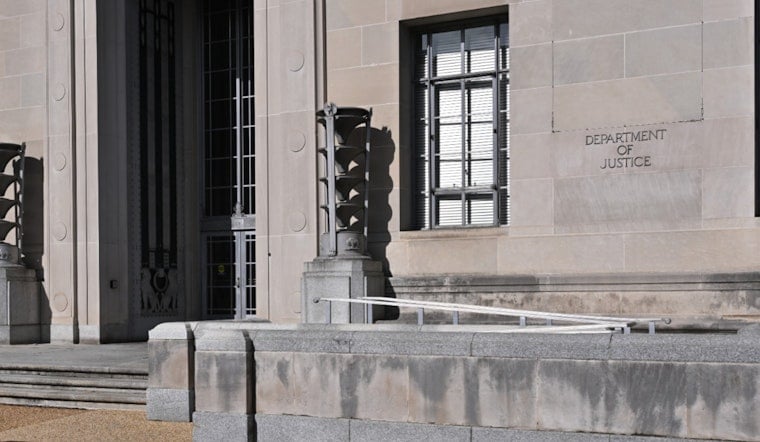
The Justice Department quietly issued, then walked back, grand jury subpoenas that would have forced national security reporters at The Washington Post and The Wall Street Journal to testify under oath about their work. The orders were pulled after newsroom lawyers pushed back in court, and officials say that in the end, none of the journalists had to take the stand. Had the subpoenas gone forward, they would have marked a rare and aggressive turn in the government’s hunt for leakers.
What prosecutors were after
According to The Associated Press, the Justice Department sent out subpoenas earlier this spring summoning reporters to appear before a federal grand jury. The AP reports that one subpoena targeted Washington Post reporter Ellen Nakashima and three were aimed at Wall Street Journal journalists, and that all of them were withdrawn after the news organizations challenged the demands in court.
How the subpoenas fit into leak probes
As detailed by The Washington Post, prosecutors tied the subpoenas to national security reporting that had already triggered leak investigations, with the legal fight unfolding under seal in the Eastern District of Virginia. The Post also pointed out that this clash comes on the heels of other aggressive steps this year, including an FBI search of a Post reporter’s home and the seizure of that reporter’s electronic devices.
Why press advocates are sounding the alarm
Press freedom groups warn that forcing reporters to testify under oath risks outing confidential sources and scaring off people who might otherwise come forward with sensitive national security information. The Reporters Committee for Freedom of the Press labeled the subpoenas “a serious threat for press freedom” and, in a public statement, urged the government to honor long standing protections for newsgathering.
Legal stakes and what comes next
Attorneys for the Post and the Journal had asked judges in sealed proceedings to throw out the subpoenas, and prosecutors ultimately rescinded the orders before any public ruling landed. Reporters and media lawyers say the next chapter could include efforts to unseal some of the court filings or to press the Justice Department to spell out clearer limits on when it will try to force reporters into the witness chair.
So far, officials are not shedding much light on the reversal. AP and newsroom statements say the Justice Department has not offered detailed public explanations for why the subpoenas were dropped. That silence leaves open the possibility that prosecutors could reach for similar tactics again and keeps the long running tension between leak investigations and reporter protections very much alive.





