

























































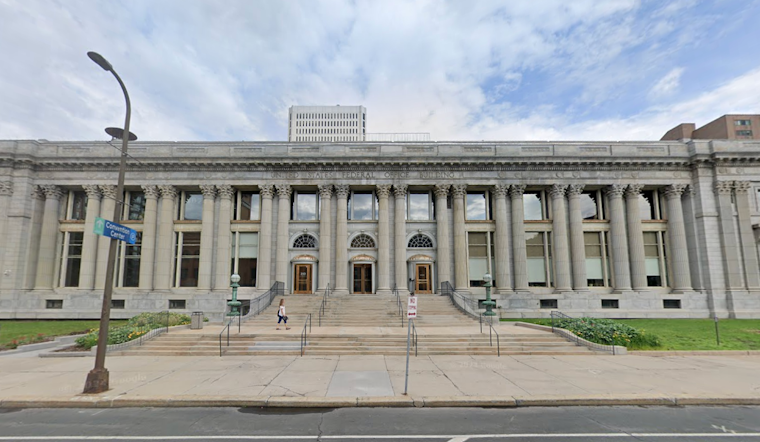
The Paul D. Wellstone Federal Building in downtown Minneapolis, a century-old Beaux-Arts standout at 212 Third Avenue South, is now on a federal shortlist for potential sale. The Public Buildings Reform Board has recommended putting the 1915 structure on the chopping block, a move that could shift a long-standing hub for federal services into private hands if the process runs its full course. An independent analysis has already found that would-be buyers are circling.
According to reporting in the Minneapolis/St. Paul Business Journal, that independent review flagged the Wellstone building as a prime candidate for immediate disposal and noted that the property has already drawn inquiries from potential purchasers. The outlet frames the recommendation as one piece of a broader federal effort to shed underused, high-maintenance real estate.
What the board is doing
The Public Buildings Reform Board, an independent body created under the Federal Assets Sale and Transfer Act to pinpoint excess federal real estate, is slated to take up a slate of candidate properties on Thursday. The board will also open the floor for public comment on 34 locations across the country. As outlined by the Public Buildings Reform Board, the session will dig into how heavily each property is used and what it costs communities and taxpayers to keep aging assets running.
A downtown landmark
Built between 1912 and 1915 and listed on the National Register of Historic Places, the Paul D. Wellstone Federal Building is known for its Beaux-Arts façade, classical columns, and prominent footprint in the downtown core. It still houses multiple federal offices. According to the U.S. General Services Administration, the building began life as a post office and today remains home to several federal agencies, all of which would need new space if the property is ultimately sold.
Lawmakers press for transparency
Federal officials are not the only ones watching the Wellstone decision. Local lawmakers have already signaled concern about any closure or sell-off. In March 2025, Sens. Amy Klobuchar and Tina Smith sent a letter to GSA and other agencies seeking details on what was being considered and why. They warned that “Abrupt closure of the Wellstone Building would put housing and worker protection services into immediate peril,” according to a press release from Sen. Smith's office. The senators have stressed that any plan must preserve access to HUD, NLRB, and passport services for Minnesotans who rely on them.
How a federal sale would work
If the Wellstone building moves forward in the Federal Assets Sale and Transfer Act pipeline, it would follow a set sequence. First, the Public Buildings Reform Board makes recommendations. The Office of Management and Budget then reviews and approves or rejects those picks. After that, GSA handles the actual disposition. Under the FASTA framework, described in congressional reporting on the law, GSA must first offer the space to other federal agencies and to eligible public or nonprofit entities before it can hit the open market. The process is designed to protect core services while still allowing truly surplus buildings to be repurposed or returned to local tax rolls.
What this could mean for downtown
For downtown Minneapolis, the prospect of losing a historic federal anchor raises the usual big questions: what comes next, and who pays to get it there. Twin Cities commercial real estate observers say that, for many federal properties flagged for disposal, some form of redevelopment is the most likely endgame. Possibilities range from adaptive reuse to housing conversions or, if the numbers do not pencil out, demolition. As the Minneapolis/St. Paul Business Journal noted in earlier coverage, reuse and redevelopment are on the table for several underused federal buildings in Minnesota, though each site carries its own mix of constraints and costs.
Next steps and timeline
For now, the key moment to watch is Thursday's Public Buildings Reform Board meeting, when members will take public comment and decide whether to formally send recommendations on to OMB and GSA. Even if the Wellstone building advances, federal disposal rules require offer periods to other agencies, historic preservation reviews, and, eventually, marketing to buyers. All of that can stretch over many months or even years. In other words, any change of ownership for Minneapolis' historic Wellstone landmark is likely to be a slow walk, not a quick flip.





