

























































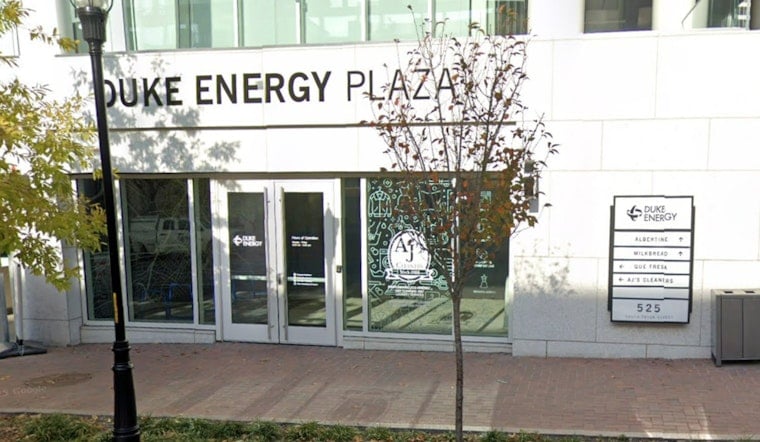
With North Carolina baking under a dangerous heat wave, the U.S. Department of Energy stepped in on June 11 and gave Duke Energy limited permission to push some of its power plants harder than usual, all in a bid to keep the lights on and the air conditioners humming.
Under Order No. 20226#8209;2627, Duke Energy Carolinas and Duke Energy Progress are allowed to run specified units “up to their maximum generation output levels,” even if that bumps up against air quality or other permit limits. The short-term order took effect at 4:00 p.m. ET on June 11 and runs through 10:00 p.m. ET on June 12, according to the Department of Energy. The agency restricted the waiver to only the hours needed to maintain reliability and is requiring Duke to file daily reports on any plant that uses the temporary flexibility. The secretary signed off after Duke filed an emergency request earlier on June 11.
In that filing, Duke warned federal officials that “unusually high load forecasts totaling approximately 34,589 MW” were expected for the time window and that some power plants were “limited in providing needed generation” because of conditions in their environmental permits, the Department of Energy notes. Without a short-term waiver, the company cautioned, those restrictions could force it to curtail customer demand.
The crunch in power demand is arriving alongside a heat advisory for much of central North Carolina, with meteorologists calling for daytime highs near 1009F and heat index values above 105. The News & Observer reports the advisory runs from 11 a.m. to 8 p.m. Friday and says some spots could see heat indices top 109. Officials note that high afternoon demand, combined with warm overnight temperatures that keep air conditioners running, raises the risk of grid stress into the early evening hours.
Between Duke Energy Carolinas and Duke Energy Progress, the company serves nearly 3.7 million homes and businesses in North Carolina, which raises the stakes if supplies get tight, according to Duke Energy. Before leaning on the federal waiver, Duke told the Department of Energy it would first roll out conservation appeals, cut back on recallable power sales, activate residential and large-load demand response programs, and use a roughly 5% voltage reduction to shave the peak.
Legal Authority And Limits
The federal move is grounded in Section 202(c) of the Federal Power Act, which lets the energy secretary temporarily order generation or transmission during an emergency, while also requiring that any directive be as narrow as possible in time and scope and that conflicts with environmental laws be minimized, according to the Congressional Research Service. Those guardrails explain why the order is tightly timed and why Duke has to report on any use of the waiver.
This is one of several federal backstops deployed this year to stave off heat-driven blackouts, and energy market watchers are keeping an eye on whether grid operators will need more demand response or extended federal help, Insurance Journal reports. For residents, the playbook has not really changed: cut back electricity use during the late afternoon and evening peak, monitor local alerts for cooling center locations, and be prepared for short-notice grid advisories.



