

























































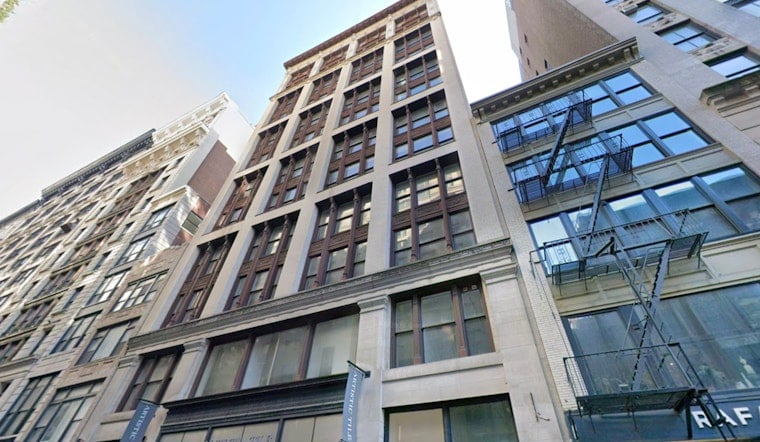
In a market where landlords are racing to turn half-empty towers into housing, Sioni Group is zagging. The New York firm has quietly closed on the mostly vacant 12-story office building at 38 West 21st Street in Midtown South and plans to keep it as offices instead of carving it up into apartments. The Flatiron-area property spans roughly 70,000 square feet and had been publicly floated as a conversion play before the sale, making Sioni’s move a notable contrarian bet.
According to the New York Business Journal, the building at 38 W. 21st St. was largely empty and marketed to buyers as a residential conversion opportunity prior to Sioni’s purchase. Reporter Kevin Smith frames the acquisition as a deliberate wager on future office demand in Midtown South rather than a quick pivot to condos or rentals.
Sioni Group now lists “38 W 21st” on its commercial portfolio page, signaling that the firm intends to treat the address as a straight office asset. Grouping it with other Manhattan office holdings underscores that the building is headed into Sioni’s leasing pipeline instead of an immediate redesign for housing.
Why Sioni’s move matters
Sioni’s office-first strategy cuts against a powerful current. As Bisnow reports, developers are lining up millions of square feet of office-to-residential conversions in 2026, with Midtown South a prime hunting ground. Local analysis from the NYC Comptroller points to policy shifts and incentives such as the 467-m tax abatement as key reasons conversions have suddenly become far more attractive, which helps explain why this particular building was shopped as a conversion candidate in the first place.
Building by the numbers
Commercial listings describe the Flatiron property as a 12-story building with about 68,800–70,000 gross square feet and occupancy hovering near 30 percent, a profile that naturally lands it on brokers’ conversion shortlists. The CREXi offering, which identifies BKREA as the broker, spells out lot size, zoning and floor-plate details that highlight both the residential upside and the near-term potential to pull in office tenants. CREXi notes that the property was pitched as a value-add or conversion opportunity.
What happens next likely looks like a sprint to lease-up and stabilize cash flow. Owners in similar Midtown South situations have leaned on lobby upgrades, richer tenant concessions and a focus on smaller creative and tech tenants drawn to Flatiron’s walkable blocks. Research from Cushman & Wakefield notes that while Midtown and Midtown South sit at the center of the city’s conversion boom, well-located buildings can still be re-leased, which gives owners the option to hold the line on offices instead of redeveloping right away.
For now, Sioni’s purchase turns 38 West 21st Street into a closely watched experiment in when to convert and when to stand pat. The Flatiron building stays in the office column, a small but pointed vote of confidence in Midtown South’s ability to compete with conversion math.


