

























































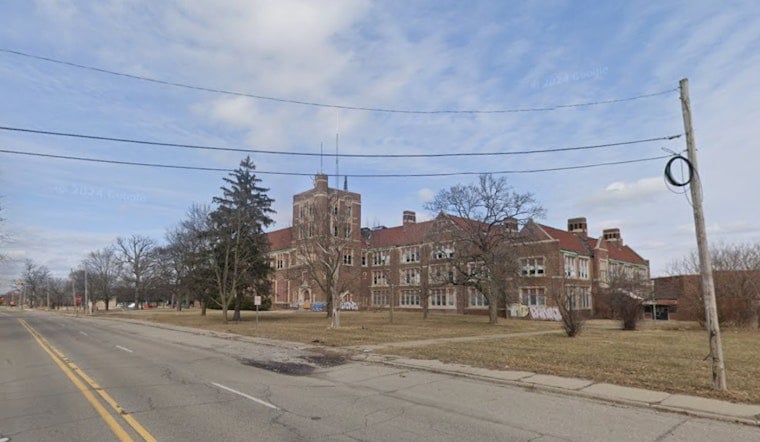
Flint has finally picked up the shovels. This week, crews and community members gathered at the Central-Whittier campus to kick off construction on a long-planned high school, the city’s first brand new public high school in roughly half a century. District leaders, neighborhood residents, and philanthropic partners cast the project as a long-overdue turning point for local education, saying that after years of plans and arguments, the work is now funded and on a firm schedule.
Project scope and timeline
The new high school is being designed for about 1,000 students with an estimated price tag of roughly $135 million, and the district is aiming to open the doors in fall 2028. Plans call for a performing arts theater, upgraded athletic facilities, and modern classroom clusters that are meant to centralize secondary education in Flint instead of scattering students across aging buildings. These details were reported by Michigan Public.
Funding
The Charles Stewart Mott Foundation has committed up to $100 million for the project, including just over $6 million already in hand for design, demolition, and site preparation work. School officials say that kind of philanthropic backing, paired with public grants, is what finally made this large-scale build possible after decades of deferred maintenance and stalled capital plans. The pledge was detailed in a release from the Mott Foundation.
Demolition and preservation
Early work on the site focuses on environmental cleanup. Abatement and hazardous-materials removal are scheduled first, to be followed by demolition of most Central and Whittier structures while salvage crews pull out historically significant elements. Project leaders say the design emphasizes keeping the campus’s most meaningful features, including the tall central tower, along with select limestone, metalwork, and wood details, so they can be woven into the new school instead of being hauled to a landfill. Those schedules and preservation plans have been detailed in local reporting by East Village Magazine. The district’s construction packet also walks through the phased abatement and demolition work.
Design and schedule
District officials say they expect a final design by December. The new building is slated to incorporate the original main entrance, preserved masonry, and the cupola as visible historical features, while the interior is planned around updated labs and community spaces. School leaders told reporters the goal is to honor Central’s legacy without locking students into a mid-20th-century floor plan. Those details were reported by The Detroit News.
State support and budget context
On the state side, the Michigan Department of Education awarded Flint Community Schools a $35.9 million consolidation grant last year to help the district shed underused buildings and put resources into a single modern high school. The grant is tied to reducing the number of open school facilities and getting more value out of the ones that remain, according to the Michigan Department of Education. At the same time, the district still faces day-to-day operating pressures even as this major construction effort gets underway, a tension Michigan Public has outlined in its coverage.
What’s next
From here, the project team moves into public bidding, contractor selection, and continued community design sessions while crews finish abatement on site. Construction documents list firms such as Clark Construction and Stantec among the lead partners, according to the district’s construction packet, which also lays out the next steps for bidding and public engagement.
Foundation and district leaders are framing the build as a long-term bet on Flint’s students. “Flint residents have consistently told us that strengthening education is one of their top priorities,” Ridgway White said in the foundation’s announcement. Officials say community meetings and advisory sessions will continue through the summer as cost estimates and bids are refined, and they expect students to start classes in the new building for the 2028–29 school year. Until then, the work on campus will center on safe abatement, careful salvage of historic pieces, and visible construction milestones that residents can watch as the site is transformed.





