

























































Forest Park officials and managers at the Atlanta State Farmers Market have started setting out humane traps across the busy market, targeting feral cats seen roaming near vendor sheds and food storage areas. Once caught, the cats are handed over to local animal-control agencies for evaluation, and authorities acknowledge that at least one cat taken in under the new effort was euthanized.
Officials roll out the trapping plan
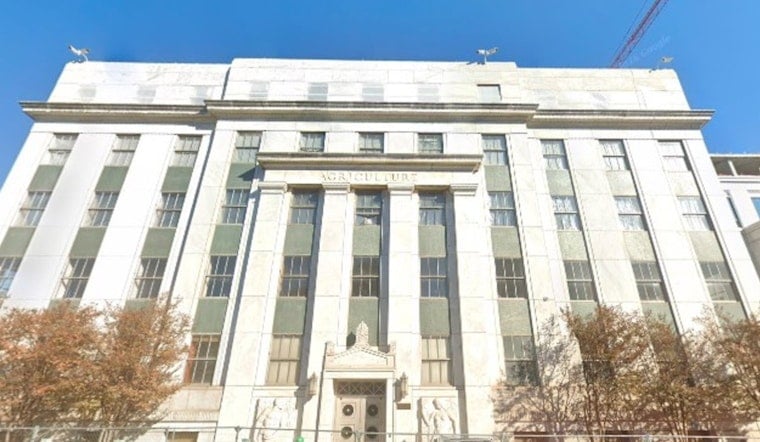
Forest Park police and market staff say the trapping push is an attempt to get a handle on a noticeable population of free-roaming cats around the wholesale stalls. Workers are placing traps around the grounds and turning over captured animals to either the Forest Park Animal Control Unit or Clayton County Animal Control for health and safety checks, according to FOX 5 Atlanta. The Atlanta State Farmers Market itself is run by the Georgia Department of Agriculture, which oversees the state markets, per the Georgia Department of Agriculture. FOX 5 Atlanta also reported that its journalists reached out to the department for comment and did not receive responses to multiple emails and calls.
Rescue groups call the plan a shortcut
Local rescuers say the current approach, which they describe as a basic "trap-and-transfer" model, risks funneling community cats into shelters that are already stretched to the limit rather than using more sustainable options. "You know, that's the cookie-cutter reply," Kristi Butler, president of Street Paws, told FOX 5 Atlanta. She said regional shelters are "completely full" during kitten season and urged officials to consider barn placements or similar alternatives for managing feral colonies.
Why TNR advocates oppose relocation
Trap‑neuter‑return (TNR) remains the go-to humane strategy for many animal-welfare organizations because it focuses on sterilizing, vaccinating and returning outdoor cats to their original territory, which can stabilize and gradually shrink the population over time. The Atlanta Humane Society notes that simply removing animals without sterilizing them often creates a "vacuum effect" that draws in new, unaltered cats to the same location, undermining long-term progress. The group outlines TNR guidelines and tools for caretakers at the Atlanta Humane Society.
Shelter capacity and procedure questions
Some rescuers are particularly uneasy about sending more animals into county facilities after recent coverage raised concerns about euthanasia procedures at Clayton County Animal Control. An investigation by Atlanta News First reviewed a state inspection that cited issues with euthanasia protocols and reported that the Georgia Department of Agriculture removed a recorded violation on the same day it was issued, which advocates now point to when they push for alternatives to shelter intake.
What’s next at the market
Advocates argue the next step should be better coordination among market managers, state officials and rescue groups: humane trapping tied directly to TNR partners, foster and barn placements for feral cats that are not suited to adoption, and regular public reporting on what happens to trapped animals. The Atlanta Humane Society maintains lists of TNR partners and caregiver resources that volunteers and officials could tap as the market’s trapping initiative continues, and its guidance is being held up by advocates as a way to avoid sending more cats into already full shelters.





