

























































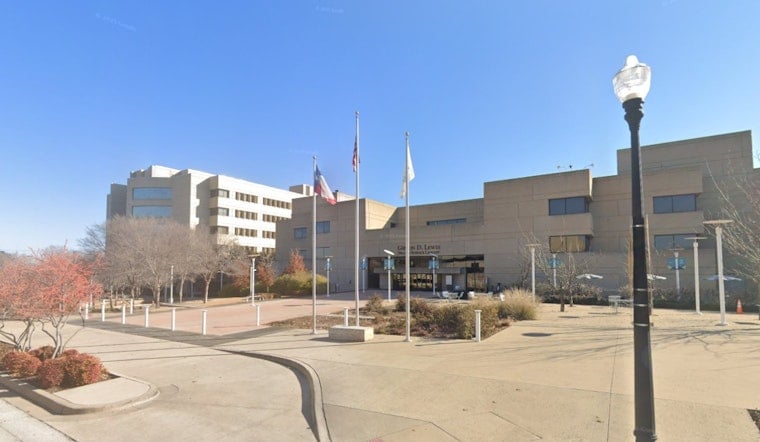
UNT Health Fort Worth is trimming its college lineup so it can bulk up almost everywhere else.
The health sciences university has folded six colleges into four, a structural shakeup that leaders say will help the Fort Worth campus scale its enrollment and clinical training capacity across North Texas. Administrators frame the move as a way to cut bureaucracy, connect programs more tightly, and better mirror how modern health care teams actually work.
Effective June 1, the school officially shifted from six colleges to four, and officials are stressing that no academic programs disappeared in the process. “We are building a stronger, more connected academic environment that reflects how healthcare is delivered today,” UNT Health President Dr. Kirk A. Calhoun said in a statement, according to UNT Health Fort Worth.
How the colleges were reshuffled
The reorganization closes the College of Public Health and the College of Health Professions and redistributes their programs across the remaining academic units.
Under the plan, public-health degrees and the Physician Assistant Studies program are moving into the Texas College of Osteopathic Medicine. The Doctor of Physical Therapy program and two master’s programs are shifting into the UNT System College of Pharmacy, which regents signed off on renaming the UNT System College of Pharmacy and Health Professions.
The same board documents put current enrollment at about 2,446 students and project that trimming administrative overhead will save roughly $600,000 a year on recurring personnel costs.
A push to double enrollment
Behind the shuffle is an aggressive growth target. Internal planning materials outline a five-year goal to “double learners,” which would push enrollment toward 10,000 students, with particular expansion in places like Frisco and in high-demand programs such as nursing and physical therapy.
Those ambitions show up repeatedly in university planning documents and faculty governance discussions.
Clinical placements and local partnerships
Growing headcount is one thing. Finding enough clinical placements for all those future nurses, therapists, and physician assistants is another.
Administrators told regents and local reporters that clinical training sites remain one of the tightest bottlenecks and that they have been in talks with health systems across the region to open up more hands-on training slots. As the Fort Worth Report noted, university leaders highlighted potential clinical partnerships with organizations, including the Dallas VA medical center and Parkland’s C.V. Roman Health Center as part of that push.
Why the scramble matters for the state
The urgency is not just about campus bragging rights. Texas is staring down a sizable nursing shortage.
Projections from the Texas Department of State Health Services estimate the state will be short about 57,012 registered-nurse full-time equivalents by 2032, with demand outstripping supply throughout the next decade. That looming gap is a key talking point for institutions arguing to expand nursing and allied-health training programs and clinical capacity, according to the Texas Department of State Health Services.
What students will see
For students already enrolled, the changes are designed to be more paperwork than panic.
University officials say current cohorts will stay in their existing degree programs while the reshaped colleges work on creating new cross-disciplinary pathways and future dual-degree options. The restructuring also lays groundwork for off-campus instructional pathways at UNT Dallas and sets up plans to phase in additional nursing coursework at that location as the broader growth strategy unfolds, according to UNT Health Fort Worth.





