

























































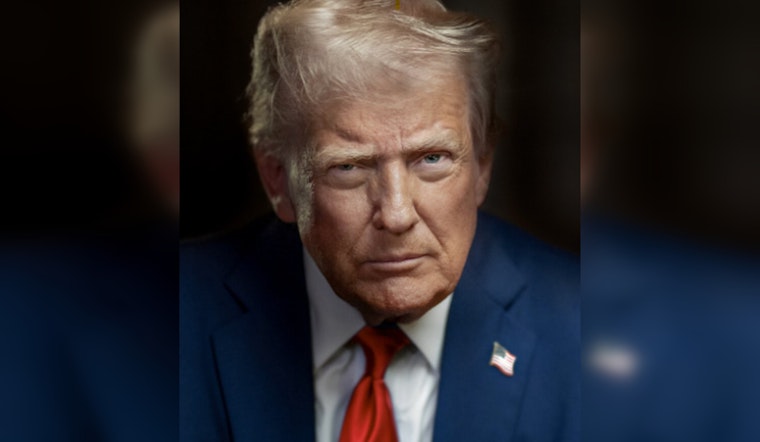
President Donald Trump’s approval rating is stuck in the mid-30s, and growing jitters about gas prices are not helping. A Reuters/Ipsos poll completed Monday found Trump’s support holding at roughly 35%, while most Americans say gasoline prices will get worse over the coming year. The six-day online survey also showed weak marks for the president on the cost of living, leaving the White House exposed on a classic pocketbook issue that strategists are already factoring into their November calculations.
As reported by the Honolulu Star-Advertiser, which carried Reuters’ coverage, the Reuters/Ipsos survey polled 4,531 U.S. adults over six days and had a margin of error of about two percentage points. The poll found that 35% of respondents approved of Trump’s performance and that registered voters would choose Democrats over Republicans by 41% to 37% if congressional elections were held today. Only 25% of respondents said they believed the benefits of U.S. strikes on Iran were worth the costs.
Gas Anxiety and the Strait of Hormuz
The poll landed just as an energy shock tied to the conflict with Iran has been squeezing drivers. U.S. strikes in late February and Iran’s subsequent counterattacks tightened flows through the Strait of Hormuz and pushed energy costs higher. The U.S. Energy Information Administration notes that the narrow Hormuz corridor normally carries roughly one-fifth of globally traded oil, so any disruption can echo quickly at the pump. Lawmakers in Washington have pressed for votes and oversight over the strikes, a political response flagged by national outlets as the higher costs make their way to household budgets.
What It Could Mean for November
Voters’ worries about fuel and other living expenses are showing up in Trump’s economic report card. Only about 22% approve of how he is managing the cost of living, while roughly 70% disapprove, according to the Reuters/Ipsos results as carried by news outlets. That gap, paired with a president whose overall job approval is parked in the mid-30s, gives Democrats a narrow structural opening in closely divided districts. Campaign operatives say energy and inflation messaging will be front and center as both parties court swing voters.
For Americans watching prices climb at the pump and in the grocery aisle, the survey puts numbers to a familiar feeling: economic pain is a live vulnerability for the administration and a ready-made talking point for its opponents. In the weeks ahead, any policy shift or market break that eases prices could change the political story, but right now gas anxiety is a stiff headwind for the White House.



_(cropped)(2).jpg)