

























































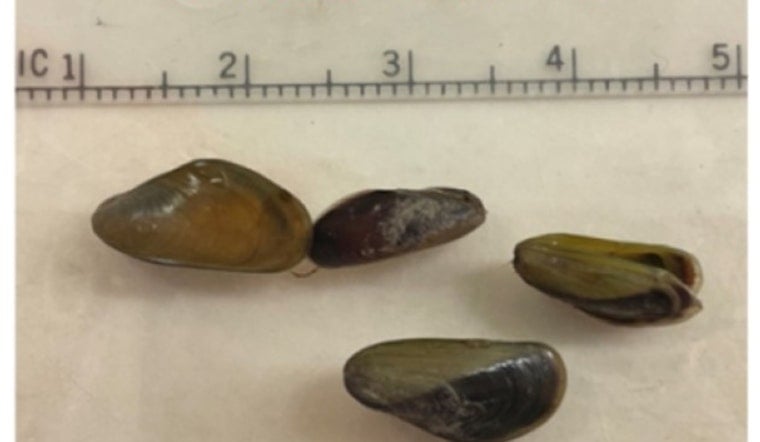
Sacramento County supervisors are preparing to weigh a local state of emergency over invasive golden mussels that are steadily spreading through the Sacramento River and Delta waterways. The move would put the county’s response under a single command and could speed up action as the tiny shellfish, known for clogging pipes, intake screens and boat hulls, keep popping up around the region. The proposed declaration follows similar steps in neighboring counties and comes amid a rapid buildout of state inspection and decontamination programs.
What the board will consider
According to KCRA, county staff want the Board of Supervisors to adopt a proclamation of local state of emergency, citing an infestation that “poses a serious and immediate threat” to public infrastructure, environmental health and the local economy. The proposal would require the county’s director of emergency services to report back to the board at least every 60 days while the emergency is in place, giving supervisors regular updates on costs and operations. A formal proclamation would also tighten coordination with state agencies and make it easier to approve emergency spending and permits.
Why the mussels are so dangerous
The golden mussel (Limnoperna fortunei) was first detected in the Sacramento-San Joaquin Delta in October 2024 and is unusually tolerant of brackish water, which increases the number of potentially vulnerable reservoirs and canals, according to the California Department of Fish and Wildlife. State water managers say the mussels attach to boats and nearly any hard surface, reproduce quickly and can form thick colonies that clog intake screens and drinking water pipes, a risk detailed by the Department of Water Resources.
Neighbors already in emergency mode
San Joaquin County issued its own local emergency declaration in late April after golden mussels were discovered fouling Delta infrastructure, and county staff have shared photos of heavy encrustation on underwater equipment, according to regional coverage. The declaration gives counties more leverage when asking the state for help, while local water agencies and park operators roll out inspection, quarantine and decontamination programs, as detailed by the Water Education Foundation and other local reporting.
On-the-water consequences
The spread is already changing how some reservoirs operate. Folsom Lake and other recreation sites now require mandatory inspections and quarantines for trailered and motorized boats, and a number of locations offer hot water decontamination so boaters can get back on the water sooner. California State Parks has opened inspection stations at busy launch ramps, and the State Water Resources Control Board has issued a fact sheet warning that golden mussels can trigger costly closures, trash intake screens and drive up maintenance bills for water districts. All of these steps aim to keep infested equipment out of downstream reservoirs and conveyance systems, where repairs can be lengthy and expensive.
Legal and operational implications
A county-level emergency proclamation does not create new crimes, but it does activate powers under state law that allow local officials to request the governor’s concurrence, seek state and federal resources and authorize emergency purchases and temporary regulatory changes when necessary. State proclamation guidance and the California Emergency Services Act lay out how city, county and gubernatorial declarations fit together and how an operational area can ask for broader assistance. Those rules will define what Sacramento County can do if supervisors sign off on the proposed emergency.
The Board of Supervisors is scheduled to take up the item at its June 16 meeting. If the proclamation is approved, county staff will have to report back on a regular basis while the response continues. Residents, water districts and the recreation community should be ready for tighter inspection rules, potential quarantines and a strong push for state funding to safeguard key Delta infrastructure if Sacramento joins neighboring counties in declaring a local emergency.





