

























































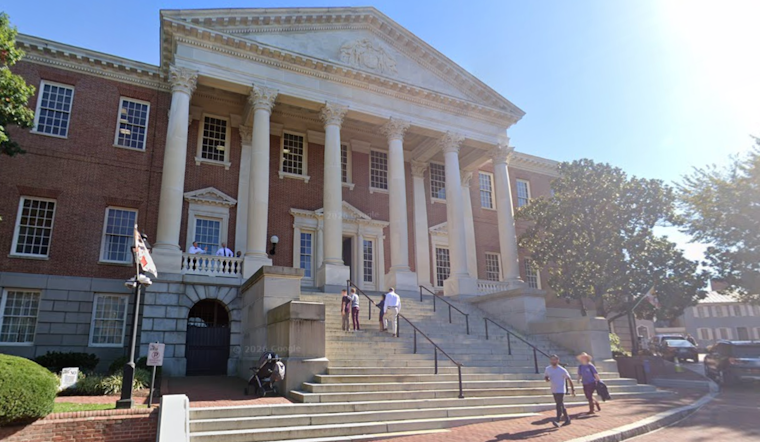
Maryland is about to test a simple idea with a big price tag: if doctors can write prescriptions for fresh produce, can that chip away at hunger and chronic disease at the same time?
Gov. Wes Moore's administration has opened up $10 million in grants for a new Produce Rx program that will let health-care providers prescribe no-cost fresh fruits and vegetables to patients with diet-related chronic conditions, as well as families living in some of the state's highest-poverty neighborhoods. Grants are set to be awarded in early fall, with letters of intent due July 20, 2026, and full applications due Aug. 17, 2026.
State officials are pitching the move as part of a broader push to slash child poverty and bolster community health. As CBS Baltimore reported, Moore said the grants will "help improve health outcomes, address food insecurity, and reduce child poverty." The Produce Rx rollout landed alongside expanded summer food benefits, underscoring how aggressively the state is leaning into food assistance.
How Produce Rx Will Work
According to the Maryland Department of Health, Produce Rx is part of the state's Food is Medicine model. Under the program, clinicians will be able to "prescribe" free produce to patients managing conditions such as diabetes, high blood pressure, high cholesterol, or a high-risk pregnancy.
The department describes a two-year, $10 million fund that will support programs in communities with concentrated child poverty. The state has also scheduled an informational webinar on a Monday for interested applicants and says grants are expected to be awarded in early fall.
Who Can Apply And What Grants Will Cover
The Request for Applications calls for coalitions of at least two organizations to team up. Examples include health-care providers, local health departments, and nonprofits with experience in food assistance and distribution. The lead applicant must be a nonprofit, a local government agency, or an educational institution.
Proposals are expected to emphasize cultural competency and participant choice. In plain terms, that means the food and the services should reflect what communities actually eat and want, not just what looks good on a grant form. Plans can also include wraparound services like cooking or culinary instruction and help with navigating state benefit programs.
There is a clear local-economic angle baked in as well. Preference will go to proposals that source produce from Maryland-based agricultural producers, tying the program's nutrition goals to support for in-state farms.
State Summer Aid Rolls On
The Produce Rx announcement arrived alongside the state's Maryland SUN Bucks summer EBT effort, which the governor's office says delivered $75 million in direct benefits last year to help feed more than 630,000 students.
According to the Office of Governor Wes Moore, SUN Bucks provides additional monthly grocery benefits from June through August for eligible students. The program is designed to work in tandem with other initiatives to close the summer nutrition gap when school cafeterias are not an option.
What The Evidence Shows
Maryland is not venturing into completely uncharted territory. National evaluations of produce-prescription programs have found that participants often eat more fruits and vegetables and report lower levels of food insecurity. Some studies have also documented improvements in clinical markers such as blood sugar and blood pressure.
A pooled, multi-site analysis of nine U.S. produce-prescription programs reported better diet quality, improved food security and signs of cardiometabolic benefit, while cautioning that larger and more rigorous trials are still needed to understand long-term outcomes, according to a multi-site evaluation.
How To Apply And What Comes Next
Coalitions that want in on the money will need to move on a tight timeline. The state is asking for letters of intent by July 20, 2026, and full proposals by Aug. 17, 2026, with awards planned for early fall. The Request for Applications spells out all required components and submission steps.
Organizations that want to be listed in the state's vendor directory can sign up through the Produce Rx materials, and the Maryland Department of Health has provided an email contact for program questions. For anyone who misses the informational webinar, the state says it will post a recording so potential applicants can catch up before deadlines hit.





