

























































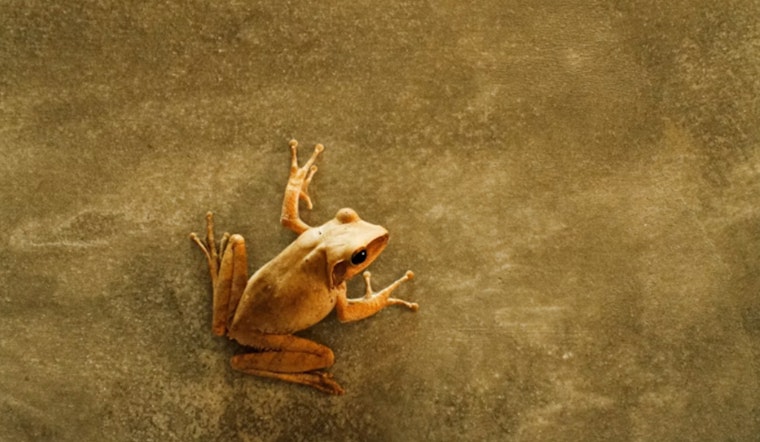
When the first coqui calls started echoing through Upper Hog Back last November, a group of Haʻikū neighbors did not wait around for backup. They pooled their cash and bought a commercial sprayer they now call "The Silencer." The 40-gallon unit, a roughly $5,000 investment shared by 13 households, roars to life at dusk as volunteers coat trees and gulches with citric acid. The big-ticket buy has become a blunt reminder of what many residents already feel: local people are turning into the front line against an invasive frog that the island’s small control team cannot fully keep in check.
As reported by Honolulu Civil Beat, those 13 Upper Hog Back households went in together on The Silencer, a 40-gallon commercial sprayer that cost about $5,000, at a time when islandwide estimates put Maui’s coqui population near 37,000 frogs and a Haʻikū-Pauwela core of roughly 5,000 acres. Residents say private pest companies will not take the work, and neighborhood leaders warn the animals are slipping into pockets that used to be quiet. For many people, that has meant late-night patrols, improvised gear and a constant worry over property values, sleep and local ecology.
How residents and crews fight coqui
The Maui Invasive Species Committee trains residents, loans sprayers and runs nighttime campaigns built around surveys, hand captures and a 16% citric-acid spray that kills coqui on contact but leaves no lasting residue. The method requires direct hits on frogs and eggs, so crews and volunteers move by headlamp and repeat treatments to wipe out lingering holdouts. On top of field work, MISC urges habitat reduction, including trimming dense vegetation and removing bromeliads, to make yards less welcoming to the frogs, according to the Maui Invasive Species Committee.
Funding and staffing gaps
Maui’s committee has backing, just not enough of it. It received close to $5 million in the current fiscal year from state, county and federal grants, but that funding has to stretch across teams working on coqui, miconia and little fire ants. As reported by Honolulu Civil Beat, MISC spends about $150,000 a year on citric acid and can only field a few crew members at a time, with technicians earning roughly $19.31 an hour on regular nights. The state has recently increased biosecurity funding, setting aside $4.25 million through Act 236 for county committees and research, according to the Hawaii Invasive Species Council.
Big Island shows the stakes
The warning signs are loudest on Hawaiʻi island, where coqui are long established. Past reports have put infestations at roughly 60,000 acres, with densities that can climb into the thousands per acre, a preview of what Maui could face if control efforts slip. Researchers and economists have flagged ecological fallout, from shifts in invertebrate communities to hits on nursery businesses and property values, if the frogs penetrate more native forest, according to analyses by UHERO and state reports. The Big Island’s experience is a big part of why Haʻikū residents worry their own neighborhood could turn into the next nonstop chorus.
What neighbors can do
Residents who hear coqui calls are urged to report sightings to the statewide pest hotline (808-643-PEST) and through MISC’s reporting tools, ask for citric acid or borrow a backpack sprayer, and focus on removing frog-friendly plants and dense groundcover. MISC’s guidance emphasizes community coordination, with neighbors working street by street to knock out outliers before they seed new satellite populations, and the committee offers training and supplies to neighborhoods that want to take part.
For now, Hog Back’s homegrown patrols and the shared Silencer stand as the immediate line of defense while advocates continue to press county and state leaders for steadier funding.
Haʻikū’s playbook of relatively cheap gear, neighbor patrols and repeated citric applications shows both the creativity and the fatigue that come with living inside a biological invasion. Whether the state’s recent funding bumps and the Hawaii Invasive Species Council’s priorities grow into a larger, sustained effort on Maui will likely decide whether the island’s nights stay quiet or slide closer to the Big Island’s all-out frog chorus.





