

























































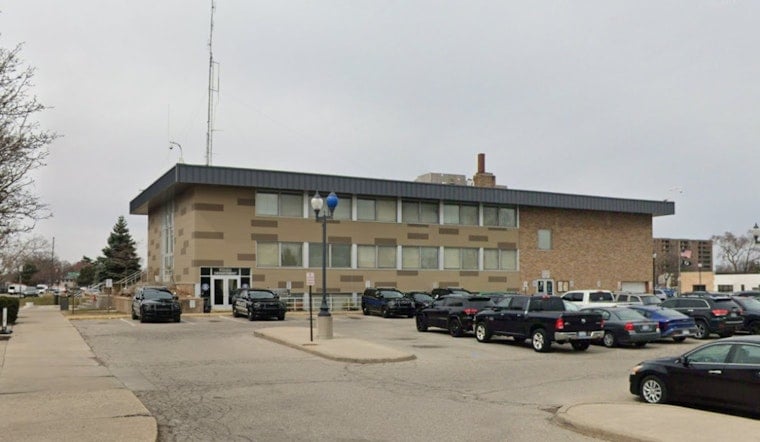
Hazel Park’s City Council yesterday quietly made Michigan history, voting unanimously to amend the city’s human-rights code to add “family or relationship structure” as a protected characteristic, language that explicitly covers polyamorous people. The change makes Hazel Park the first municipality in the state to write that wording into its local nondiscrimination rules, with council members describing the move as preventive, meant to protect residents in multipartner households rather than respond to a wave of reported bias.
According to The Detroit News, the council approved the update to the human-rights ordinance unanimously, and the new clause explicitly “applies to polyamorous people (people with multiple romantic or sexual partners at once).” The outlet noted that the ordinance adds “family or relationship structure” to the city’s list of protected characteristics.
Part of a growing national trend
The Hazel Park vote lands amid a broader wave of local measures across the United States that extend protections to nontraditional family and relationship structures, including recent actions in Portland, West Hollywood, and Olympia, according to The Guardian. Advocates say these city-level ordinances are a practical workaround, offering some protection from workplace and housing discrimination while more sweeping changes at the state or federal level remain politically elusive.
What the ordinance can and cannot do
Legal scholars point out that municipal ordinances typically guard against discrimination within city limits but do not rewrite state law on marriage, inheritance, or taxes, and they can be limited by state preemption, as outlined in the Harvard Law Review analysis of polyamory ordinances. That means Hazel Park’s update creates a local enforcement path for complaints, but it does not automatically grant marriage-like benefits or change state-level filing rules and access to benefits.
Local reaction
City officials told The Detroit News that they were not reacting to any specific, documented complaints, describing the revision instead as a preemptive clarification of residents’ rights. Supporters say the explicit language matters because it gives structurally diverse households clearer grounds to push back if they encounter discrimination in daily life.
Advocates hope Hazel Park’s step will be both protective on the ground and symbolically powerful as organizers push for similar local measures elsewhere, a strategy that has already surfaced in pockets of the West Coast and New England, advocates told The Guardian. For now, city officials say implementation and enforcement will run through Hazel Park’s existing human-rights framework.





