

























































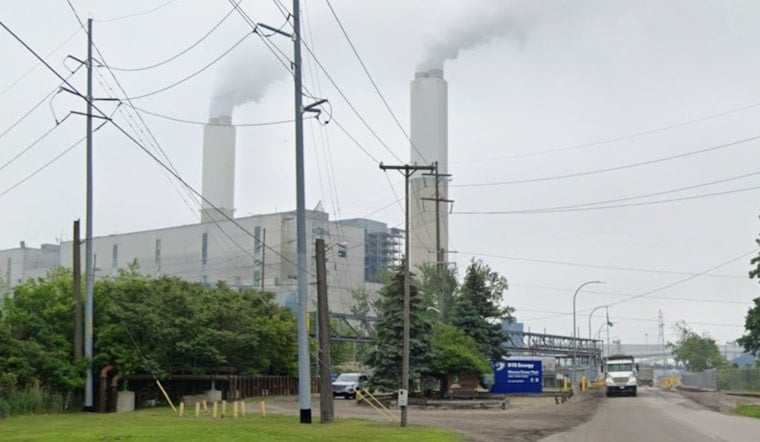
Ann Arbor residents will head to the polls on November 3 to decide whether to create the governing framework for a future municipal electric utility, a measure that stops well short of actually taking over DTE Energy's power grid but has already drawn a heavily funded opposition campaign. City Clerk Jacqueline Beaudry certified in August 2026 that a petition drive collected more than 5,000 valid signatures, officially placing the charter amendment on the midterm ballot.
The petition drive was organized by the grassroots group Ann Arbor for Public Power, which aims to begin a transition away from DTE Energy, according to Michigan Public. As WXYZ reported, Ann Arbor residents are now preparing to weigh in on the proposal to move away from DTE service this fall.
What the Ballot Measure Actually Does
Despite the buzz around ditching DTE, the amendment itself is narrower than it might sound. It would establish a municipal electric utility and set 2028 elections for its governing board, but it does not authorize the city to acquire or condemn DTE's grid infrastructure, per Planet Detroit. Ann Arbor for Public Power designed the charter amendment as a low-cost procedural step, creating a nine-member utility board in 2028 to conduct feasibility studies and oversight before any asset acquisition is ever presented to voters.
That governing board would include five members elected by ward in 2028 and four members appointed by City Council, with one seat reserved for an organized labor representative, according to WEMU. City Council would retain ultimate authority over customer rates and utility borrowing under the proposed charter language, the station reports.
A Second Vote Would Be Required for Any Takeover
Even if voters approve the measure, actually taking over DTE's physical grid remains years away. Under Article VII, Section 25 of the Michigan Constitution, any future acquisition or condemnation of DTE's electric distribution system would require a separate referendum passed by a 60% supermajority of voters. Proponents note that this constitutional requirement guarantees a second, higher-threshold vote before the city could ever acquire physical grid assets.
DTE Funds Opposition Campaign
DTE Energy has not stayed on the sidelines. A May 2026 investigation by The Guardian revealed that DTE directly funded the opposition group Ann Arbor Responsible Energy Coalition with nearly $2 million, with campaign filings listing DTE's headquarters at One Energy Plaza in Detroit as the group's address.
DTE spokespeople claim that a full takeover of Ann Arbor's power grid could cost the city nearly $1 billion to $2 billion in debt and potentially raise customer electric rates by 30% to 40%, Michigan Public reports. The utility also points to its five-year, $270 million modernization plan in Ann Arbor, which it says delivered the company's best electric reliability in nearly 30 years.
Reliability Complaints Fuel the Push
Supporters of the measure counter with DTE's track record. Data from the Citizens Utility Board of Michigan showed DTE customers experienced an average of 1,542 minutes without power in 2023, one of the worst outage restoration records in the country, according to reporting from News From the States. Repeated storm outages and rising rates have fueled grassroots support for replacing DTE, the outlet notes.
Proponents also point to Michigan's existing municipal utility landscape for reassurance. The state has more than 40 municipal electric utilities operating under local government authority, including established providers in Lansing, Traverse City, and Holland, per Michigan Public. Supporters argue those municipal systems generally offer lower rates and better reliability scores than investor-owned utilities like DTE.
Distinct From the 2024 Clean Energy Vote
The November measure is separate from an earlier Ann Arbor energy initiative. In November 2024, voters approved a sustainable energy utility with 79% support, allowing the city to deploy rooftop solar and battery systems alongside DTE's existing grid. That opt-in program created a supplemental clean energy service rather than a replacement for DTE as the primary grid operator, and it remains distinct from the governance framework now headed to the November ballot.
With Election Day still months away, the fight over Ann Arbor's energy future is likely to intensify as both sides make their case to voters. For now, the question in front of residents is narrower than a full DTE breakup — but the money and messaging on both sides suggest the stakes are seen as anything but small.





