

























































A Hazelwood man who turned other people’s identities into his own private rental lot is headed to federal prison for four years and has been ordered to repay $550,000. Prosecutors say he used stolen identities and credit cards to rent vehicles, then re-rented those cars to others, sticking the rental company with an estimated $800,000 in losses. The case is one of several similar prosecutions playing out around Pittsburgh, and the sentence was handed down this month after prosecutors tied the rentals to personal data bought on the dark web.
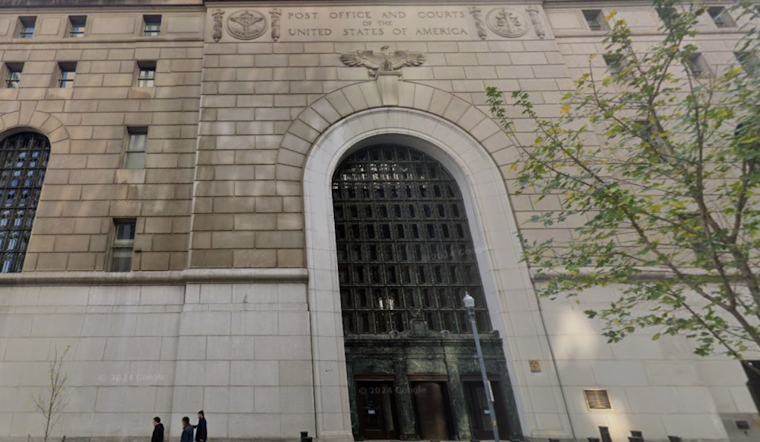
As detailed by the U.S. Attorney’s Office for the Western District of Pennsylvania, United States District Judge Marilyn J. Horan sentenced 32-year-old Theodore Brown to 48 months in prison on June 17, and ordered $550,000 in restitution. According to court documents, Brown and other conspirators bought personal identification information and credit card numbers on the dark web between October 2022 and February 2023, used that data to rent vehicles from a rental company, and even had help from a complicit employee to push some of the rentals through. The U.S. Attorney’s release credited the U.S. Secret Service and the Pittsburgh Bureau of Police with driving the investigation.
Local Coverage Casts It as a Solo Scam
Local TV coverage of the sentencing framed the activity as a one-person scheme, even as it noted Brown is one of several people already convicted in related rental-car fraud cases, including a former Avis manager and three other Pittsburgh-area defendants. That account appeared in coverage by WPXI, which also reported that some of the vehicles Brown helped put on the street ended up in the hands of people tied to drug activity. The WPXI item ran on June 20.
Federal Filings Outline a Rinse-and-Repeat Playbook
Federal filings and press releases sketch a now-familiar pattern in these cases: stolen consumer data bought on the dark web, rental agreements set up with fake or hijacked identities, and cars quickly funneled into illegal hands. As detailed by the U.S. Attorney’s Office, another defendant in the broader probe, William Knight, was sentenced in early June to 54 months after prosecutors said he and his conspirators used stolen identities and credit cards to rent roughly 100 vehicles that were then passed along to others. That release likewise praised the U.S. Secret Service and Pittsburgh police for the investigative work that brought the scheme to light.
Legal Notes
Brown was convicted on federal identity-theft-related charges and will serve 48 months in prison, followed by three years of supervised release and a substantial restitution tab, as reported by WPXI. In cases like this, courts typically use restitution orders to compensate identifiable victims, while the length of the prison term tracks the scale and complexity of the fraud laid out at sentencing. Federal filings in the Pittsburgh cases describe investigators following a paper and digital trail of cellphone records, rental agreements, and dark-web purchase traces to map how the fraudulent rentals racked up losses.
Prosecutors say the broader investigation into rental-car fraud in the region is still active, and that more charges or restitution orders could be coming as additional victims are identified and remaining cases are wrapped up. The prosecutions highlight how quickly stolen consumer data can be cashed in and how easily it can fuel other criminal enterprises.





